

Key Takeaways
- Animal proteins are nutritionally complete, containing all essential amino acids in a single source.
- Plant proteins are generally lower in cost and may offer additional fiber and micronutrient benefits.
- Combining different plant proteins throughout the day can meet complete amino acid needs.
- Cost per gram of protein varies considerably - legumes are typically among the most affordable options.
- Most families benefit from a mixed approach that draws on both animal and plant protein sources.
Our Verdict
Neither animal nor plant protein is universally superior - each brings distinct nutritional, practical, and financial advantages. For value-conscious families, a flexible mixed approach that leans on affordable plant proteins like beans and lentils while incorporating moderate amounts of eggs, dairy, or lean meats tends to offer the strongest combination of nutrition and economy.
| Best for | Recommended |
|---|---|
| Families prioritizing simplicity and complete nutrition in fewer ingredients | Animal protein sources |
| Budget-focused households stretching the weekly grocery spend | Plant protein sources |
| Families seeking flexibility, variety, and long-term dietary sustainability | Mixed animal and plant approach |
What Makes a Protein Source 'Complete'?
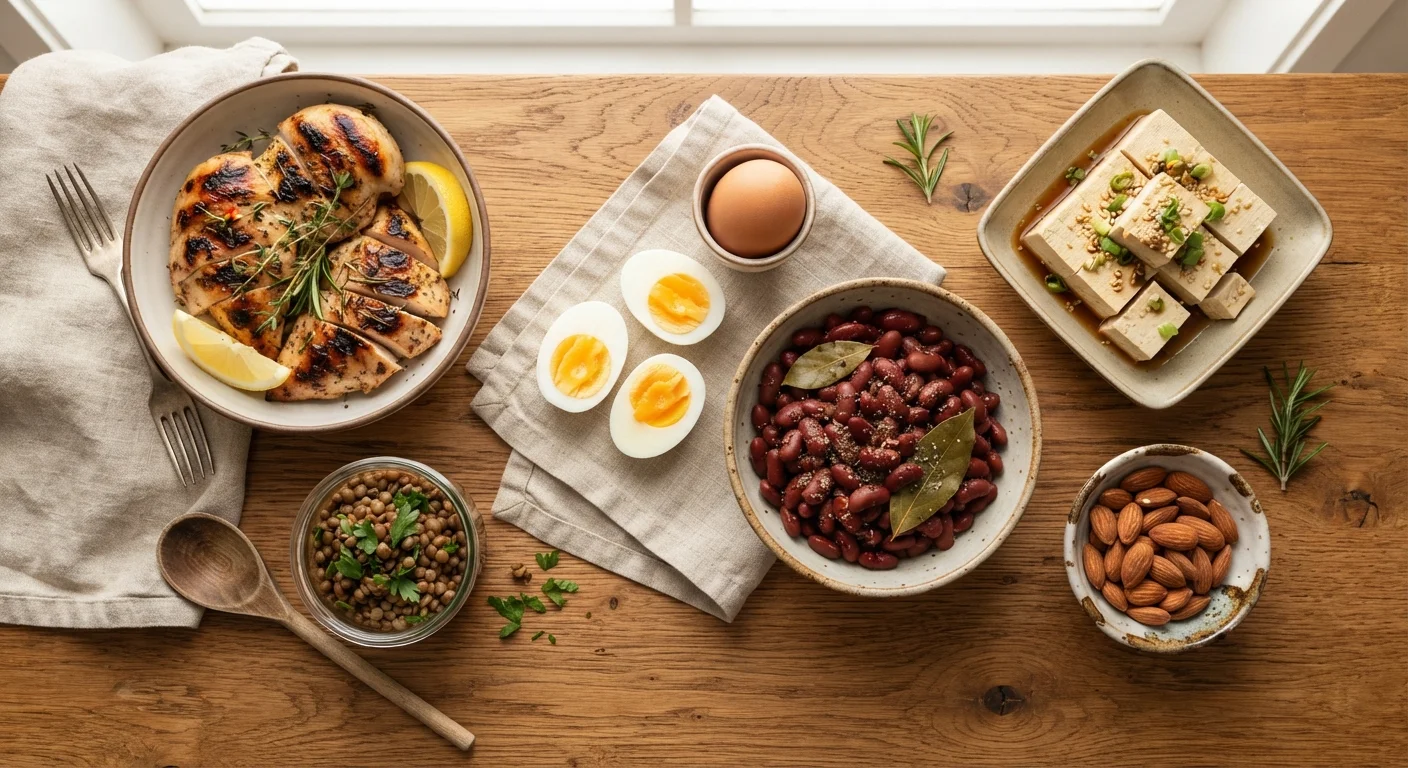
Protein is made up of amino acids - nine of which are classified as essential because the body cannot produce them on its own. A protein source is considered complete when it provides all nine in adequate proportions. Animal proteins - including meat, poultry, fish, eggs, and dairy - are complete by this definition. Most plant proteins are not, though soy and quinoa are notable exceptions.
This doesn't mean plant proteins are nutritionally inferior; it simply means variety matters more when animal sources are limited. Someone eating a mix of legumes, grains, nuts, and vegetables across the day will generally cover their essential amino acid needs, even if no single food is complete on its own. The idea that plant protein combinations must be consumed in the same meal has largely been set aside by nutrition researchers - daily variety is what counts.
For a deeper look at how these nutritional needs shift across different life stages, see our guide to family nutritional needs by age.
How Animal and Plant Proteins Compare
Understanding the practical trade-offs across nutrition, cost, and kitchen convenience helps families make choices that fit their real lives - not just an ideal scenario.
| Animal Protein | Plant Protein | |
|---|---|---|
| Amino acid completeness | Complete in a single source | Incomplete (most); variety needed |
| Typical cost per serving | Moderate to high | Low to moderate |
| Digestibility (DIAAS) | Generally higher | Generally lower; improves with cooking |
| Saturated fat content | Often higher (varies by source) | Generally lower |
| Fiber content | None | Significant in legumes and whole grains |
| Shelf life (uncooked) | Short to medium (fresh) | Long (dried or canned) |
| Common US examples | Eggs, chicken, tuna, dairy | Lentils, chickpeas, tofu, edamame |
Digestibility is another dimension worth noting. Animal proteins generally have a higher DIAAS - a measure of how efficiently the body uses the protein consumed. Plant proteins, particularly from whole legumes and grains, are somewhat less digestible, though cooking and processing methods can improve this. In practice, the difference is unlikely to matter for most people eating adequate total protein.
The Cost Factor for Everyday Family Meals
For value-conscious households, cost per gram of protein is often a decisive factor. Dried lentils, canned chickpeas, and dried black beans consistently rank among the lowest-cost protein sources available in US grocery stores. Eggs are frequently cited as one of the most economical animal proteins. By contrast, fresh fish, lean cuts of beef, and organic poultry tend to cost considerably more per gram of protein delivered.
~$0.05-0.08
Cost per gram of protein from dried lentils
Based on typical US grocery retail pricing; dried legumes consistently offer among the lowest protein costs available.
~$0.20-0.40
Cost per gram of protein from boneless chicken breast
Chicken breast is one of the more affordable animal proteins, though prices vary by region and retailer.
46-56g
Daily protein recommended for most adults (RDA)
According to the USDA Dietary Guidelines; needs vary by body weight, age, activity level, and health status.
A practical approach is to treat animal proteins as a complement rather than the centerpiece of every meal - using smaller portions of chicken or beef alongside a larger volume of beans, lentils, or tofu. This strategy, common in many culinary traditions worldwide, stretches the grocery budget without meaningfully reducing protein intake. Our guide to feeding a family on a budget covers practical meal-planning strategies in more detail.
Practical Considerations: Cooking, Storage, and Family Acceptance
Nutrition and cost matter, but so does whether a food actually makes it onto the dinner table. A few practical realities for families:
- Shelf life: Dried legumes, canned beans, and tofu have long shelf lives, reducing food waste. Fresh meat and fish require prompt use or freezing.
- Preparation time: Canned beans and pre-cooked lentils require minimal preparation, making them genuinely convenient on busy weeknights. Dried legumes need advance soaking and longer cooking times.
- Texture and flavor acceptance: Children and picky eaters may resist unfamiliar textures. Blending lentils into sauces, incorporating tofu into stir-fries, or mixing beans into ground meat dishes are practical ways to introduce plant proteins without conflict.
- Nutrient interactions: Some plant proteins contain compounds called phytates that can reduce mineral absorption. Soaking, rinsing, or fermenting legumes can reduce this effect.
Making Plant Proteins More Palatable
Introducing plant proteins gradually tends to work better than an abrupt menu overhaul. Try adding a small amount of cooked lentils to a tomato-based pasta sauce, or swapping half the ground meat in tacos with black beans. Over time, the family palate adapts - and the grocery bill reflects it.
This article is part of our broader end-to-end family nutrition resource, which covers everything from macronutrients to meal planning for picky eaters.
This article is for general informational purposes only and does not constitute medical or dietary advice. Please consult a registered dietitian or qualified healthcare provider for guidance specific to your family's health needs.