

Key Takeaways
- A head-to-tail check covering coat, eyes, ears, teeth, and weight takes under 20 minutes.
- Consistent at-home checks make changes easier to spot because you know your pet's normal baseline.
- Most checks require no special equipment - just good lighting and your hands.
- At-home checks complement, but never replace, regular veterinary examinations.
- Catching subtle changes early can reduce the cost and complexity of treatment.
- Pairing checks with a regular grooming routine helps build a sustainable habit.
What you will need
Why Regular At-Home Checks Matter
Veterinarians have a meaningful advantage that most owners underestimate: they have examined thousands of animals. But you have an equally important advantage - you see your pet every day. That familiarity means you are often the first to notice subtle shifts in behaviour, appearance, or movement that a vet would only see during a scheduled visit.
Routine vet visits are irreplaceable, but the interval between them - often six to twelve months - is a long time for a health issue to quietly develop. A structured at-home check, done consistently, narrows that gap. It also means that when you do visit your vet, you arrive with observations rather than vague concerns, making the appointment more productive.
This approach is especially valuable for families watching their pet budgets. Catching a minor ear infection before it becomes a deep-seated one, or noticing early weight loss that prompts timely investigation, can meaningfully reduce the cost and complexity of care. None of the checks in this guide require special training or expensive equipment - just consistent attention and good documentation.
At-Home Checks Are Not a Substitute for Vet Care
These checks help you notice changes and have more informed conversations with your veterinarian - they do not replace professional diagnosis or treatment. If you observe anything that concerns you, contact a licensed veterinarian. Routine professional exams remain essential even when your pet appears healthy.
Getting Ready: Tools and Setup
A successful home check starts with the right environment. Choose a time when your pet is calm - after exercise and a meal is often ideal. Avoid times when they are overly energetic or already anxious. A non-slip surface helps keep them comfortable and still.
What you will need
Bright handheld flashlight or headlamp
Illuminates the ear canal, mouth, and eyes for a clear visual inspection.
Kitchen or postal scale
Tracks weight changes in cats and small dogs where even half a pound matters.
Fine-tooth comb or slicker brush
Parts the coat to check skin condition and detect fleas, ticks, or hot spots.
Notepad or pet health log app
Records baseline measurements and observations so you can compare over time.
Pet toothbrush and pet-safe toothpaste
Used during the dental check to clean teeth and get a close look at the gum line.
If you have recently welcomed a new animal into your home, the first 90-day health checklist can help you establish the baseline measurements and routines these checks depend on.
The Head-to-Tail Check: Step by Step
Work through each area in the same order every session. Consistency reduces the chance of missing something and makes your pet more comfortable as the routine becomes familiar. The full sequence below covers the seven most useful checkpoints for the majority of dogs and cats.
Establish your pet's baseline
Before you can spot a change, you need to know what normal looks like for your individual animal. On your first session, note your pet's resting weight, coat condition, eye clarity, and general energy level. Write these down - memory alone is unreliable over weeks and months.
Check the coat and skin
Run your hands slowly from the neck to the tail and down each leg. Feel for lumps, bumps, sore spots, or areas your pet flinches away from. Use a comb or slicker brush to part the fur and inspect the skin underneath for redness, flaking, or signs of parasites such as flea dirt (tiny black specks that turn reddish-brown on a damp paper towel).
Inspect eyes and nose
In good light, look at each eye for clarity and symmetry. A small amount of clear discharge at the inner corner can be normal; cloudy, coloured, or excessive discharge is not. The whites of the eyes should not appear yellow or red. Check the nose for cracking, unusual discharge, or asymmetry. A dog's nose may be warm and dry after sleep - this alone is not a reliable illness indicator, despite popular belief.
Examine the ears
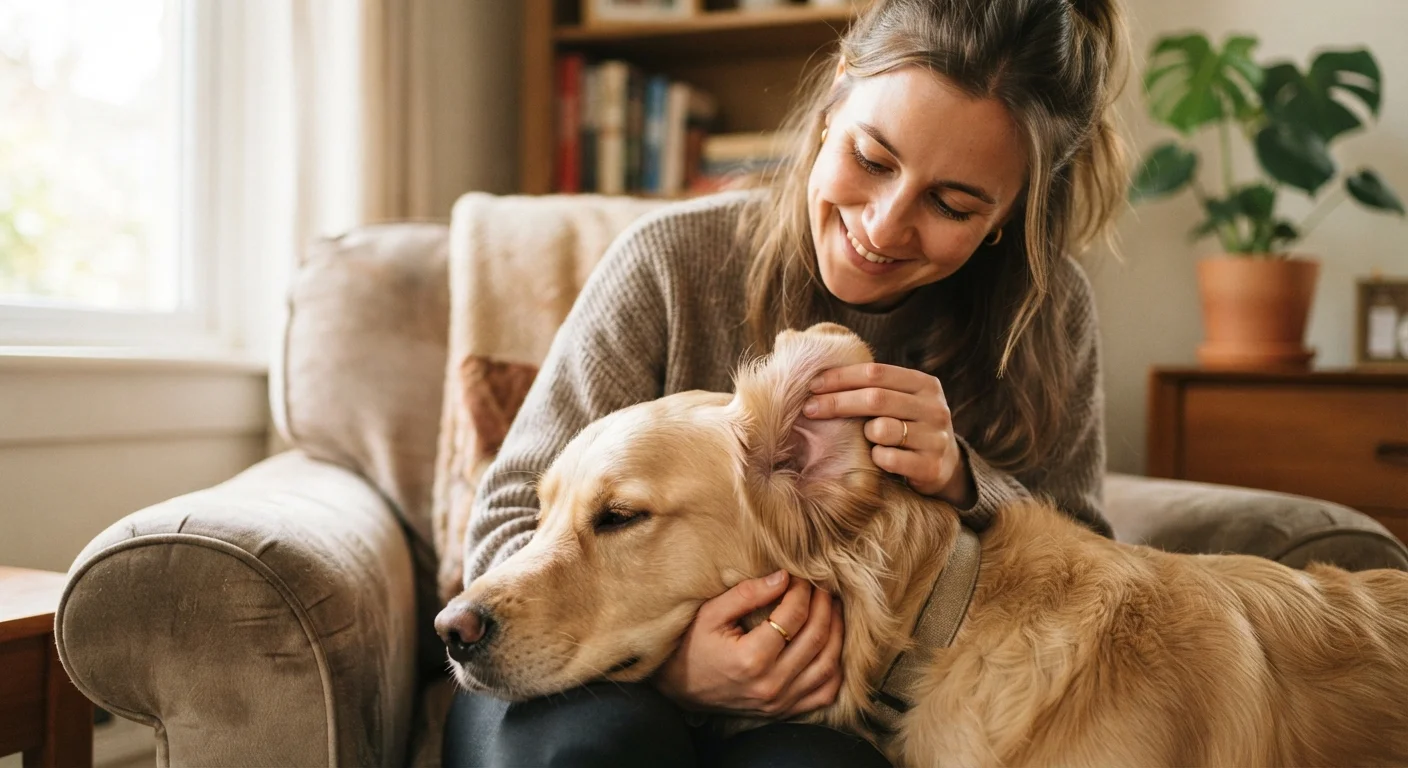
Gently fold back the ear flap and look into the canal using a flashlight. Healthy ears are pale pink, clean, and nearly odour-free. Dark brown waxy buildup, a yeasty or foul smell, or repeated head-shaking all suggest something worth having a vet evaluate. Avoid inserting anything into the ear canal at home.
Check the mouth and teeth
Gently lift the lips to view the teeth and gum line. Gums should be a consistent salmon-pink in most breeds (some pets have naturally pigmented gums - know your pet's normal). Press a fingertip to the gum; colour should return within two seconds after releasing. Look for tartar buildup (yellow-brown deposits), broken teeth, or any swollen tissue. Significant bad breath beyond a mild food smell warrants a vet conversation.
Monitor weight and body condition
Weigh small pets directly on a scale. For larger dogs, weigh yourself, then weigh yourself holding the dog, and subtract. Alongside the number, use a simple body condition assessment: you should be able to feel your pet's ribs with gentle pressure but not see them prominently. A visible waist when viewed from above and an abdominal tuck from the side are signs of a healthy weight range for most dogs and cats.
Observe gait, posture, and energy
Watch your pet move naturally - trotting to their bowl, climbing stairs, or getting up from rest. Limping, stiffness after sleep, reluctance to jump, or a change in activity level can all be early signs of musculoskeletal or other issues. Compare against your baseline notes to judge whether a change is gradual or sudden.
Pair Checks With Grooming Sessions
Running through these checks during a regular grooming session means you are already handling your pet, which reduces resistance and makes the habit easier to sustain. See the weekly pet grooming routine for a practical framework you can build on.
When to Seek Immediate Veterinary Attention
Certain signs require urgent care regardless of when you last completed a home check. These include difficulty breathing, collapse or extreme lethargy, suspected poisoning, uncontrolled bleeding, inability to urinate, or seizures. Do not delay by attempting further home assessment - contact a veterinarian or emergency animal clinic right away.
Making the Habit Stick
The biggest obstacle to at-home health checks is not knowledge - it is consistency. Attaching the check to an existing habit, such as a grooming session or a weekend walk, significantly improves follow-through. The pre-groomer checklist is a natural complement here, ensuring you review your pet's condition before every professional appointment as well.
Keep your health log somewhere easy to update - a notes app on your phone works just as well as a paper notebook. Record the date, weight, and any changes you noticed, even minor ones. Over time, this log becomes a valuable reference that both you and your vet can use to identify patterns.
For broader seasonal context - such as flea season risks, heat stress in summer, or holiday hazards - the seasonal pet health guide pairs well with this routine and helps you adjust what you are looking for throughout the year.
This article is for general informational purposes only and does not constitute veterinary advice. Always consult a licensed veterinarian for guidance specific to your pet's health, symptoms, or medical history.