

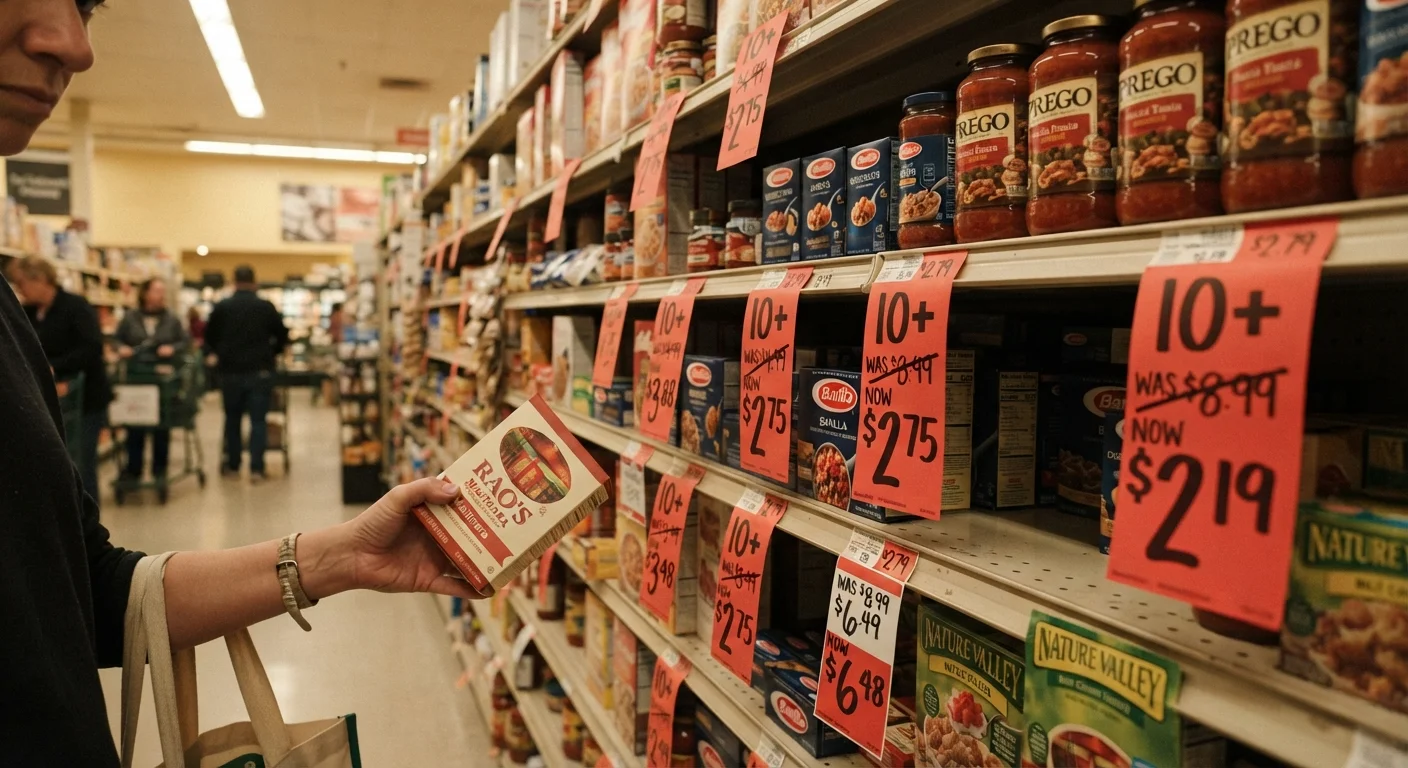
Key Takeaways
- Retailers sometimes raise a product's listed price before a sale to make the discount look larger.
- Regulators in many U.S. states require that a 'compare at' price reflect a genuine former selling price.
- Tracking prices over several weeks before a sale event gives you a reliable baseline for comparison.
- Price history tools and browser extensions can reveal whether a 'sale' price is actually unusual or routine.
Why 'On Sale' Doesn't Always Mean Lower Than Normal
When a retailer marks something "40% off," most shoppers assume the savings are real. That assumption is understandable - but it isn't always warranted. A practice sometimes called reference price inflation (also known as phantom pricing or artificial markup) involves raising a product's listed price shortly before a sale period, so the percentage-off figure looks impressive even if the final price is close to - or identical to - what the item cost before the promotion began.
This isn't confined to small or obscure retailers. Consumer reporting organizations and state attorneys general have documented cases involving major chains across apparel, electronics, and home goods. Understanding how it works is the first step toward not being misled by it.
Promotional Periods Are High-Risk for Phantom Pricing
Major shopping events - including holiday weekends and end-of-season sales - are when reference price inflation is most commonly reported. Urgency messaging like countdown timers or "limited stock" notices can pressure you into skipping the verification step. Slow down and check the price history before committing.
Common Mistakes Shoppers Make Around Sale Pricing
Most pricing errors aren't the result of carelessness - they stem from deeply ingrained assumptions about how retail works. The mistakes below are the most consequential ones families make when shopping during promotional events.
Accepting the 'original price' on a sale tag at face value without checking whether the item ever sold at that price.
Why it happens: Most people have no easy way to check a product's price history while in a store, so the displayed reference price becomes the only available anchor.
Assuming that a higher percentage discount always means a lower final price than a smaller one.
Why it happens: Percentage framing is intuitive, and shoppers rarely do the math on the absolute dollar amounts involved.
Treating a 'compare at' or 'was' price as a regulatory guarantee of past selling history.
Why it happens: Shoppers reasonably expect legal protections to backstop advertised prices, but enforcement gaps mean misleading claims do appear in the market.
Making an unplanned purchase solely because a sale deadline creates a sense of urgency.
Why it happens: Scarcity and time-pressure cues are proven psychological levers; the fear of missing out can override rational evaluation.
For a deeper look at how retailers structure promotions, see retail pricing tricks that make deals look better than they are.
What Regulators Say - and What They Can't Catch
The U.S. Federal Trade Commission (FTC) has published guidance stating that a "former price" used in comparative advertising should be the actual price at which the item was offered for sale in good faith for a reasonably substantial period. Many states have their own statutes that go further, requiring a minimum number of days at the reference price before it can be used in a discount claim.
37 states
States with comparative price advertising laws
According to a survey of U.S. state consumer protection statutes, at least 37 states have laws or regulations governing how retailers must substantiate reference prices in advertising.
~15%
Products priced higher before major sale events
Analysis by consumer price-tracking services has found that a meaningful share of items on major platforms increase in listed price in the weeks preceding large promotional events before dropping during the sale.
However, enforcement is inconsistent. Regulators typically act on complaints rather than proactively auditing every tag. That means shoppers cannot rely on legal protections alone - practical verification remains essential. If you spot a price claim that seems implausible, you can file a complaint with the FTC at ftc.gov or with your state's consumer protection office.
To understand where genuine markdowns tend to occur, our guide on seasonal sales cycles and when prices typically drop explains category-specific patterns worth knowing.
Building Your Own Price Verification Habit
The most reliable defense is personal price history. Several free browser extensions log product prices over time on major e-commerce platforms, letting you see a graph of price fluctuations before you decide whether a promotion is genuine. For in-store purchases, search the retailer's website and compare the current sale price against prices from previous weeks where available.
Before any major sale event - holiday weekends, end-of-season clearances - note the prices of items you're genuinely considering buying. A two- to four-week baseline is often enough to judge whether the promotional price represents a meaningful departure from the norm. For a strategic overview of when sales events tend to deliver authentic value, see where the real savings in seasonal sales actually live.
Also worth keeping in mind: the channel you choose matters. Dynamic pricing means the same item can shift in price multiple times a day online, which is explored further in our piece on assuming online is always cheaper. Smart shopping is fundamentally about verification, not assumption - a core principle of budget-smart buying.