

Key Takeaways
- Measure all doorways, hallways, and the installation space before your delivery date.
- Verify that the correct utility connections - water, gas, or electrical - are in place and up to code.
- Confirm adequate ventilation clearances so your appliance runs efficiently and safely.
- Clear the delivery path to prevent damage to walls, floors, and the appliance itself.
- Review your delivery paperwork and inspect the unit before the crew leaves.
Summary
18 items · 30-60 minutes
Why Pre-Delivery Prep Matters
A new appliance landing at your door is exciting - until the delivery crew can't get it through the hallway, or you discover the electrical outlet is the wrong type. These situations are more common than most families expect, and they can mean rebooking delivery, paying for an electrician on short notice, or worse, accepting a return when you urgently need the appliance.
This checklist covers everything worth verifying in the days before your appliance arrives. It's organized into logical stages so you can work through the house systematically rather than scrambling on delivery morning. For context on choosing the right appliance for your household in the first place, see The Complete Guide to Home Appliances for Family Households.
Measurements and Clearances
Electrical and Gas Connections
Water Supply and Drainage
Ventilation and Exhaust
Delivery Path and Reception
Tools You'll Need
You don't need a professional toolkit - just a few basic items to measure accurately and check connections safely. Gather these before you start working through the checklist.
Measuring Tape
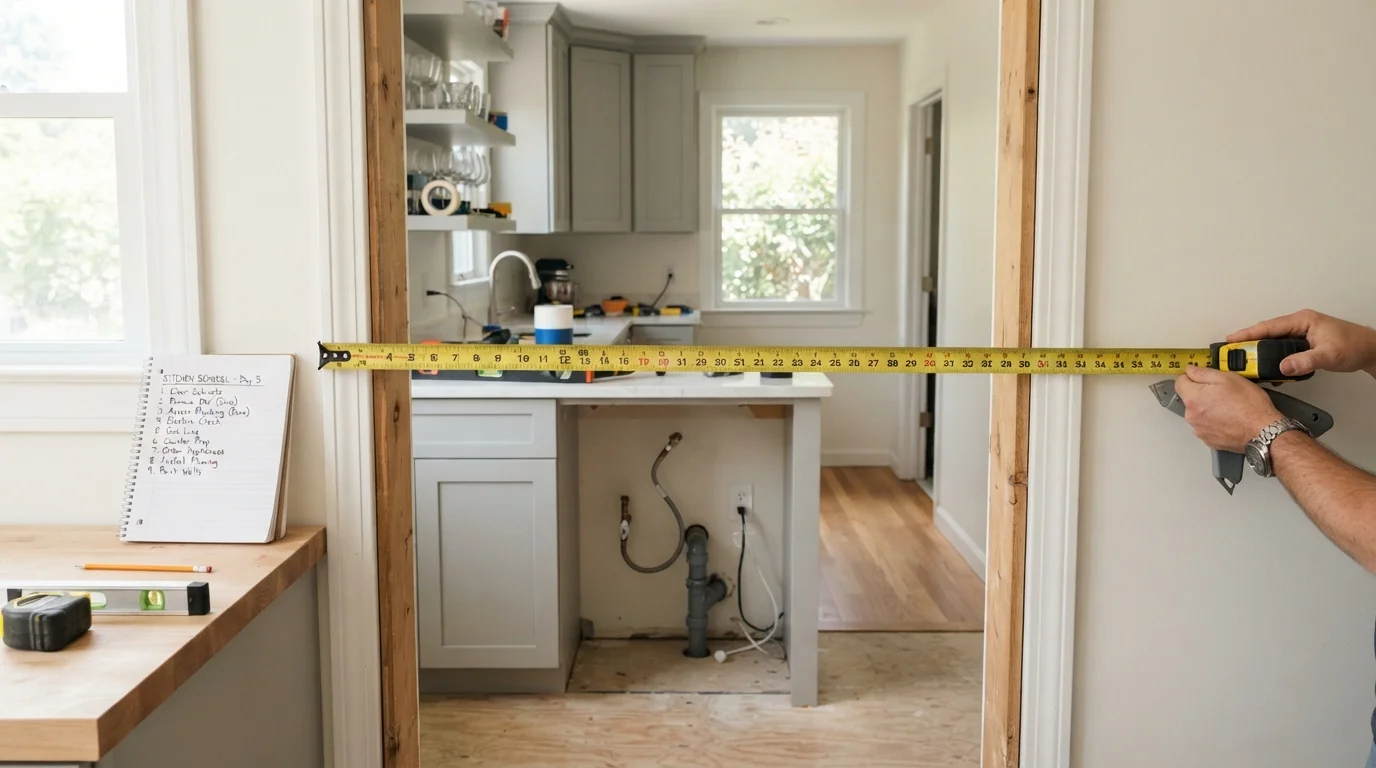
Measure doorway widths, hallway clearances, and the installation space to verify the appliance will fit.
Spirit Level
Check that the installation floor surface is level so the appliance can be properly balanced.
Appliance Specification Sheet
Provides the exact dimensions, clearance requirements, electrical ratings, and connection specs from the manufacturer.
Flashlight or Headlamp
Inspect behind and beneath existing appliances, inside ductwork openings, and utility connection areas.
Voltage Tester (Non-Contact)
Safely confirm whether an outlet is live before checking plug type and configuration.
Camera or Smartphone
Photograph existing connections, ductwork, and any delivery damage for your records.
Utility Connections and Ventilation
This is where most delivery-day surprises originate. Gas lines, water supply valves, electrical circuits, and dryer venting all need to be verified against your appliance's specification sheet - not just assumed to be compatible because the previous appliance worked fine.
Gas and Electrical Work Requires a Licensed Professional
If you discover that a gas line needs repositioning, a new electrical circuit is required, or an outlet must be upgraded, do not attempt these changes yourself. Contact a licensed plumber or electrician before your delivery date. Attempting unpermitted work can void your appliance warranty, create safety hazards, and complicate homeowner's insurance claims.
If you're receiving a smart or Wi-Fi-connected appliance, your home network setup matters too. The guide to preparing your smart home network before unboxing walks through router placement and bandwidth considerations worth reviewing beforehand.
Don't Assume the Old Connection Still Works
Just because your previous appliance operated without issue doesn't guarantee the connection meets current code or matches your new unit's specifications. Appliances vary in amperage draw, water pressure tolerance, and venting requirements. Always cross-reference your new appliance's spec sheet against the existing setup rather than assuming compatibility.
Once your appliance is installed and running, the habits you build from day one affect how long it lasts. Our article on maintenance habits that extend appliance lifespan is a natural next step after delivery day.