

Key Takeaways
- Annual or twice-yearly wellness exams help vets detect early-stage conditions that show no obvious symptoms.
- Treating a condition caught early is almost always less costly than managing an advanced illness.
- Preventive visits cover vaccinations, parasite screening, dental checks, and weight monitoring in one appointment.
- Skipping routine care can mean missing conditions like kidney disease, diabetes, or dental infection until they're severe.
- Combining at-home health checks with professional visits strengthens your pet's overall care routine.
Preventive Pet Care
Preventive pet care refers to scheduled, proactive veterinary visits and health practices designed to keep animals healthy before illness or injury occurs. Rather than waiting for a pet to show symptoms, preventive care focuses on early detection, vaccinations, parasite control, and ongoing monitoring. The goal is to identify and address small health changes before they develop into serious, expensive conditions.
Veterinarians classify wellness exams as distinct from sick visits; the former follows a structured protocol covering physical assessment, weight, dental health, organ function, and vaccine status rather than responding to a presenting complaint.
What Preventive Pet Care Actually Involves
Preventive pet care is more than an annual shot appointment. A properly structured wellness visit gives your veterinarian a documented baseline of your pet's health - weight, organ function, dental condition, and coat quality - so any future changes are detectable against a known starting point.
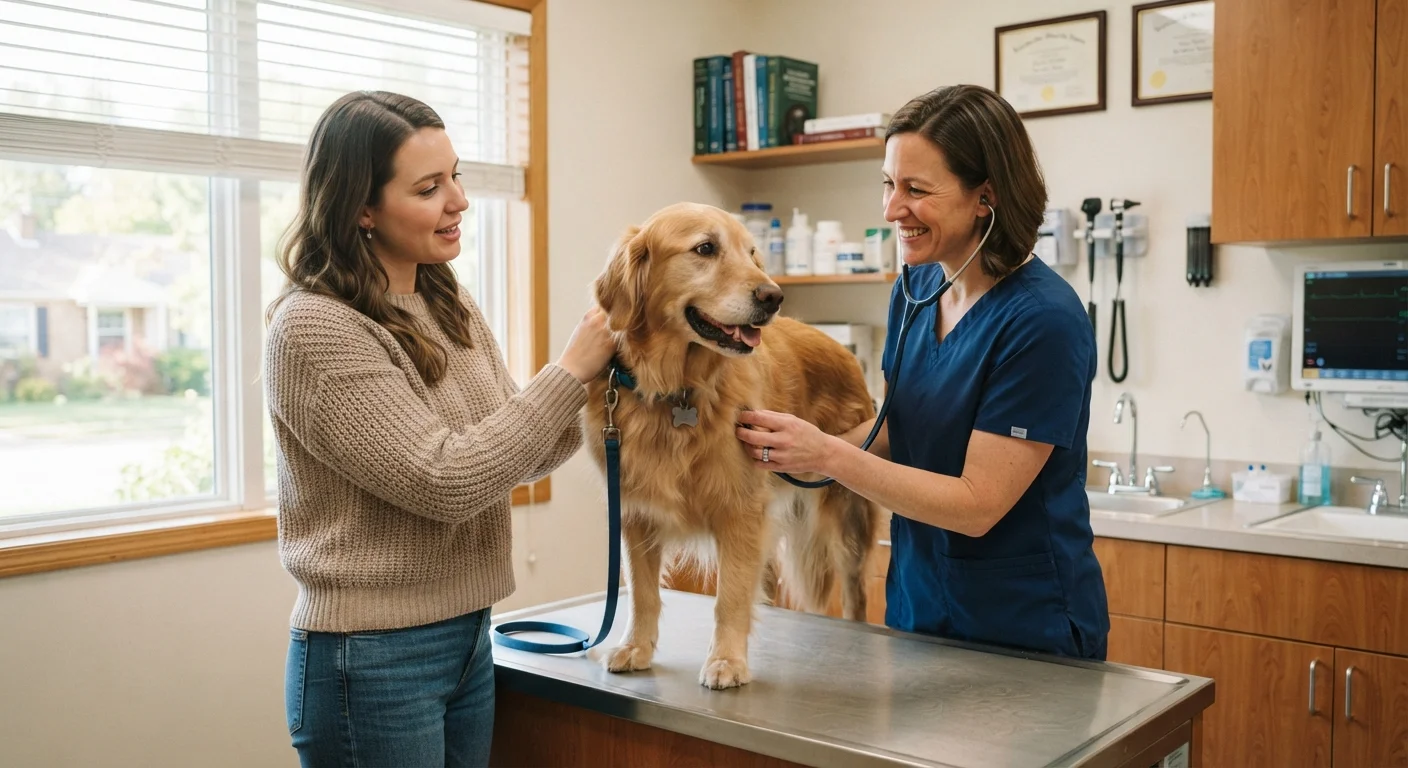
During a typical exam, the vet will check your pet's heart and lung sounds, assess body condition and weight, examine the mouth and teeth, look at the ears and eyes, feel the abdomen for irregularities, and confirm that core vaccines are current. They may also discuss diet, exercise, and behavior to flag anything that might indicate emerging problems.
At-home health checks between visits - observing coat condition, eating habits, and gum color - complement professional assessments. The two approaches work together rather than substituting for each other.
Keep a simple health log for your pet
Note your pet's weight, appetite, energy level, and any behavioral changes between vet visits. Even a basic notebook or phone note gives your vet useful trend data that a once-a-year snapshot cannot provide. Small changes over months are often more meaningful than any single observation.
The Financial Logic of Catching Problems Early
The phrase "preventive care costs less than treatment" is sometimes dismissed as a sales pitch. The financial reality, however, is fairly straightforward: conditions identified in early stages generally require less intensive intervention than the same conditions discovered once symptoms become impossible to ignore.
Dental disease is a practical example. Professional dental cleaning - typically recommended before significant tartar buildup leads to infection - costs considerably less than extracting multiple infected teeth and managing the systemic effects of untreated oral bacteria. Similarly, early-stage kidney disease managed through dietary adjustment is far less resource-intensive than late-stage kidney failure requiring fluid therapy and frequent specialist visits.
80%
Dogs with dental disease by age three
According to the American Veterinary Medical Association, the majority of dogs show signs of periodontal disease by age three - a condition almost entirely preventable with early intervention.
2-4×
Cost multiplier for late-stage vs. early treatment
Veterinary health economists broadly estimate that treating conditions identified in advanced stages can cost two to four times more than managing the same conditions caught early, depending on the diagnosis.
1 in 3
Pets diagnosed with cancer in their lifetime
The Veterinary Cancer Society reports that cancer is the leading cause of death in older pets, reinforcing the value of routine exams that can detect unusual masses or changes early.
For a detailed picture of what routine care costs across a pet's lifetime, the full breakdown of everyday pet care costs provides useful reference figures. Families weighing how to budget for unexpected bills may also find it helpful to compare pet insurance versus a dedicated savings fund.
Common Conditions Caught Early at Routine Visits
Several of the most common - and most costly - feline and canine health conditions are silent in early stages. Pets do not communicate discomfort the way humans do, and many instinctively mask pain. Wellness exams are structured specifically to find what owners cannot see.
- Dental disease: Affects a large proportion of dogs and cats by age three, yet early-stage tartar buildup causes no obvious behavioral change. See what happens when pet dental health is neglected for a fuller picture.
- Obesity: A veterinarian's body condition score assessment can identify weight creep before it strains joints or contributes to diabetes.
- Parasites: Heartworm, intestinal worms, and tick-borne diseases often show no symptoms until well established. Consistent parasite prevention is among the most cost-effective steps owners can take.
- Kidney and liver changes: Bloodwork during senior wellness visits can reveal declining organ function when dietary and medical management is still viable.
Senior pets need more frequent monitoring
Once a dog or cat reaches its senior years - broadly around age seven for most breeds, earlier for large-breed dogs - annual exams are often insufficient. Twice-yearly visits allow vets to track organ function, weight, and mobility at a pace that matches how quickly age-related conditions can progress. Ask your vet what schedule is appropriate for your pet's age and breed.
The pattern closely mirrors what preventive care achieves for human family members - a parallel explored in the real cost of delaying preventive appointments.
Making Preventive Care Work Within a Family Budget
Consistent preventive visits are genuinely achievable without straining a household budget when planned for in advance. A few practical approaches make the difference between routine care feeling manageable and feeling like a financial crisis.
Schedule ahead: Booking annual exams at the same time each year - often tied to a pet's birthday or vaccine renewal date - prevents visits from being forgotten or indefinitely postponed.
Ask about wellness plans: Many veterinary practices offer annual wellness packages that spread the cost of routine care into monthly payments. These typically cover exams, core vaccines, and basic parasite screening.
Use low-cost resources: Humane societies, nonprofit clinics, and veterinary teaching hospitals frequently offer reduced-cost vaccinations and wellness services. These are legitimate, supervised options - not a compromise on quality.
Combine at-home monitoring: Regular everyday pet care habits - checking ears, teeth, and coat weekly - mean you arrive at each vet visit with useful observations rather than trying to recall changes over twelve months.
This article is for general informational purposes only and does not constitute veterinary or medical advice. Always consult a licensed veterinarian regarding your individual pet's health needs and care plan.