

Key Takeaways
- Oily skin still needs moisturiser - skipping it can trigger even more oil production.
- Skin does not become 'dependent' on moisturiser in any physiological sense.
- Drinking water alone does not replace topical moisturisation for skin hydration.
- Natural ingredients are not automatically safer or more effective than synthetic ones.
- Applying moisturiser on damp skin can improve how well it absorbs.
Why Moisturiser Myths Persist
Skincare advice travels fast - through family routines, social media, and beauty marketing - and not all of it is grounded in evidence. Moisturiser, one of the most widely used skincare products, has accumulated a particularly stubborn set of misconceptions. Some of these myths cause people to skip hydration entirely; others lead to spending more than necessary or choosing products poorly suited to their skin. Understanding what moisturiser actually does - and what it doesn't - helps build a routine that's both effective and realistic for everyday life.
The core function of a moisturiser is to support the skin's barrier: slowing transepidermal water loss, maintaining suppleness, and protecting against environmental stressors. How well a product does this depends on its formulation, not its price tag or whether its ingredients come from a lab or a field. Knowing the difference matters, especially when you're trying to build a sensible routine without wasting money on products that don't deliver. See our guide to how skin type should inform every skincare decision for a practical foundation.
Myth
Oily skin doesn't need moisturiser - it already produces enough hydration on its own.
Fact
Oil (sebum) and water-based hydration are not the same thing. Oily skin can still be dehydrated and benefits from a lightweight, non-comedogenic moisturiser.
Sebum is a lipid-based secretion that helps form the skin's barrier, but it does not supply water content to skin cells. Dehydration - a lack of water in the skin - is a condition that can affect all skin types, including oily skin. When oily or combination skin is stripped of moisture through harsh cleansers or over-exfoliation, it can respond by producing more sebum as a compensatory mechanism. A lightweight, gel-based or oil-free moisturiser can help maintain water balance without clogging pores. Understanding your skin type is the first step toward choosing a formula that works with your skin rather than against it.
Myth
Your skin becomes dependent on moisturiser if you use it every day.
Fact
There is no established physiological mechanism by which skin becomes reliant on externally applied moisturiser and loses the ability to hydrate itself.
This myth likely stems from the experience of skin feeling drier after stopping a product - which can happen temporarily as the skin re-adjusts its natural processes. However, the skin's ability to produce its own lipids and retain moisture is not suppressed by regular moisturiser use in healthy individuals. Consistent moisturisation supports the skin barrier, which helps reduce transepidermal water loss (TEWL) - the passive evaporation of water from the skin's surface. Disrupting that barrier by suddenly stopping moisturisation can cause temporary tightness, which is often misread as dependency.
Myth
Drinking more water is the best way to keep skin hydrated.
Fact
Adequate hydration supports overall health, but it does not directly or reliably translate into visibly plumper or more moisturised skin in people who are already adequately hydrated.
While severe dehydration can affect skin appearance, research does not consistently show that drinking water above normal levels improves skin hydration in people who are already sufficiently hydrated. Skin hydration is more meaningfully influenced by the integrity of the skin barrier, humidity levels, and topical products that help retain moisture. Ingredients like humectants (such as glycerin and hyaluronic acid) draw water into the skin, while occlusives (such as petrolatum) help seal it in - neither effect is replicated simply by drinking more fluids.
Myth
Natural or 'clean' moisturisers are always safer and more effective than synthetic ones.
Fact
Natural origin does not guarantee safety or efficacy; some plant-based ingredients are common allergens or irritants, while many synthetic ingredients have strong safety profiles.
The appeal of 'natural' formulations is understandable, but the chemistry of an ingredient matters more than its source. Essential oils, fragrant botanicals, and certain plant extracts are among the most common triggers of contact dermatitis and allergic reactions. Conversely, laboratory-derived ingredients like niacinamide, ceramides, and certain emollients have extensive safety data and reliable performance. The terms 'clean,' 'natural,' and 'non-toxic' are not regulated by the U.S. Food and Drug Administration (FDA) in cosmetics labeling, meaning they are marketing descriptions rather than standardised safety certifications.
Myth
Expensive moisturisers work significantly better than affordable ones.
Fact
Price is not a reliable indicator of efficacy. Formulation and ingredient quality matter more than the cost on the label.
A moisturiser's effectiveness depends on its active ingredients, their concentrations, and how well the formula is designed to deliver them to the skin. Many affordable options contain the same or comparable concentrations of effective humectants, emollients, and occlusives as premium products. The price difference often reflects packaging, fragrance, brand positioning, or marketing spend rather than meaningful differences in skin outcomes. Reading an ingredient list (which is regulated and must be listed in descending order of concentration) is a more reliable guide than price.
Building a Smarter Moisturising Routine
~71%
Adults who use moisturiser regularly
Consumer surveys consistently indicate that moisturiser is among the most widely used personal care products by US adults across all age groups.
Top 3
Causes of contact dermatitis in skincare
Fragrances, preservatives, and certain plant extracts are repeatedly identified among the leading causes of skin reactions to cosmetic products, per dermatology literature.
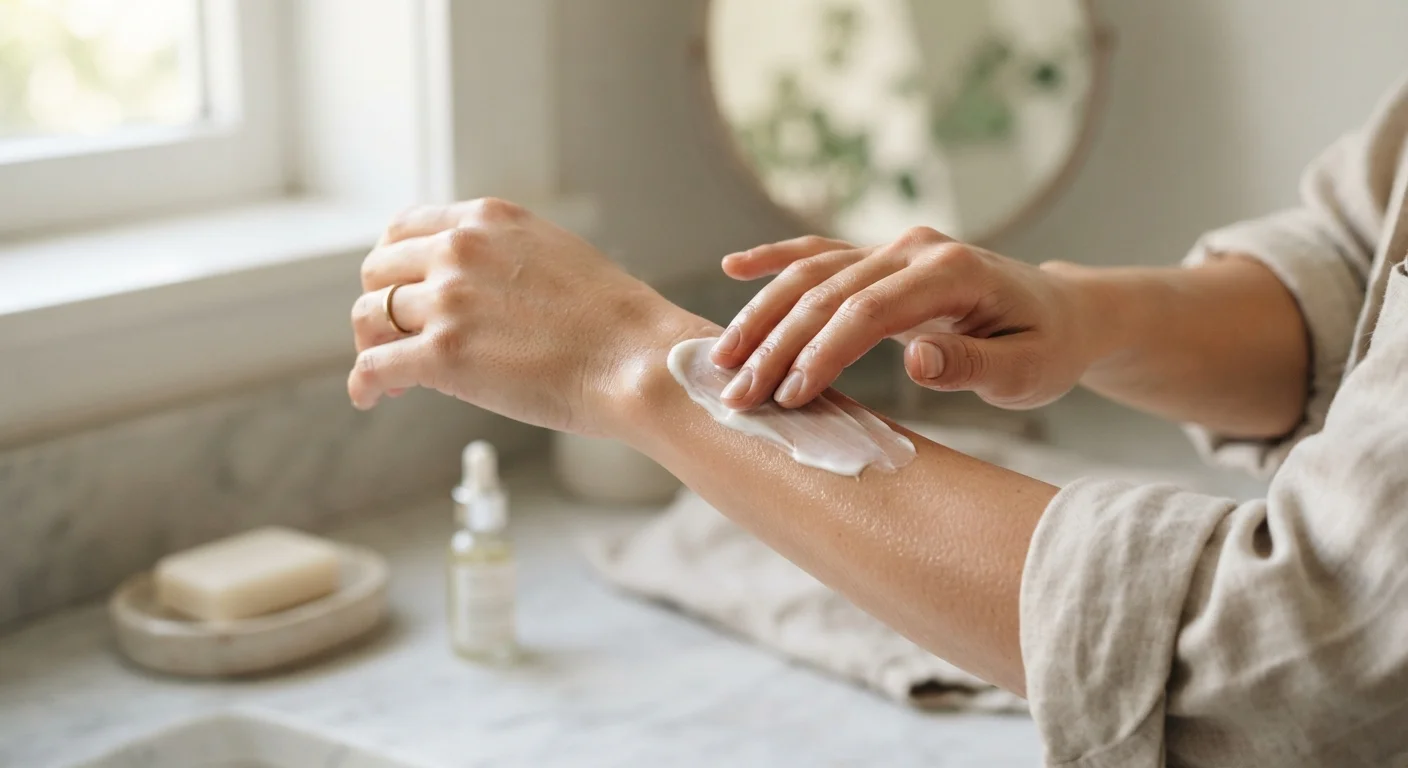
Once the myths are cleared away, a few straightforward principles apply to nearly everyone. Apply moisturiser to slightly damp skin - immediately after cleansing - to help lock in residual moisture rather than waiting for skin to dry completely. Use a formula matched to your skin type: gel or fluid textures for oily and combination skin, richer creams for dry or mature skin. If you wear sunscreen (which dermatologists broadly recommend for daily use), check whether your moisturiser already contains SPF or whether you need to layer a separate product.
The order in which you apply products also affects how well they work. Moisturiser generally belongs after lighter serums but before sunscreen. Our article on skincare layering and why product order matters explains the underlying logic in detail. Keeping a routine simple and consistent is usually more effective than rotating between many products - and easier on your budget.
Persistent Skin Issues Warrant Professional Advice
If your skin remains persistently dry, red, flaky, or reactive despite a consistent routine, it may indicate an underlying condition such as eczema or rosacea rather than a product problem. General skincare education is not a substitute for a consultation with a board-certified dermatologist. Do not attempt to self-diagnose or self-treat chronic or worsening skin conditions.