

Key Takeaways
- A structured weekly checklist prevents grooming tasks from being overlooked for any family member.
- Organizing grooming by category - oral, skin, hair, nails - makes the routine faster and more consistent.
- Children benefit from age-appropriate grooming habits introduced gradually over time.
- Pets need weekly grooming attention alongside the rest of the household.
- Keeping a well-stocked, organized grooming station reduces daily friction and saves money over time.
Summary
28 items · 20-40 minutes per week
Why a Weekly Grooming Checklist Works
Most household grooming falls apart not from laziness but from lack of structure. When tasks are unscheduled, they get skipped - and small neglects compound into bigger problems, from skin irritation to dental issues. A weekly checklist solves this by turning grooming into a predictable rhythm rather than a series of reactive fixes.
The approach here covers every member of the household - adults, children, and pets - grouped into logical categories so nothing slips through the cracks. For families working to make every dollar count, consistent grooming also protects clothing, reduces the frequency of costly professional appointments, and keeps minor issues from escalating. See our guide to stretching your grooming budget for practical cost-cutting strategies that complement this routine.
Don't Confuse Grooming with Medical Care
This checklist covers general hygiene and grooming habits, not medical assessment or treatment. If you notice persistent skin changes, scalp conditions, nail abnormalities, or concerns about your pet's health during these checks, consult a qualified healthcare provider or veterinarian. Grooming routines support overall wellbeing but are not a substitute for professional medical evaluation.
What You'll Need Before You Start
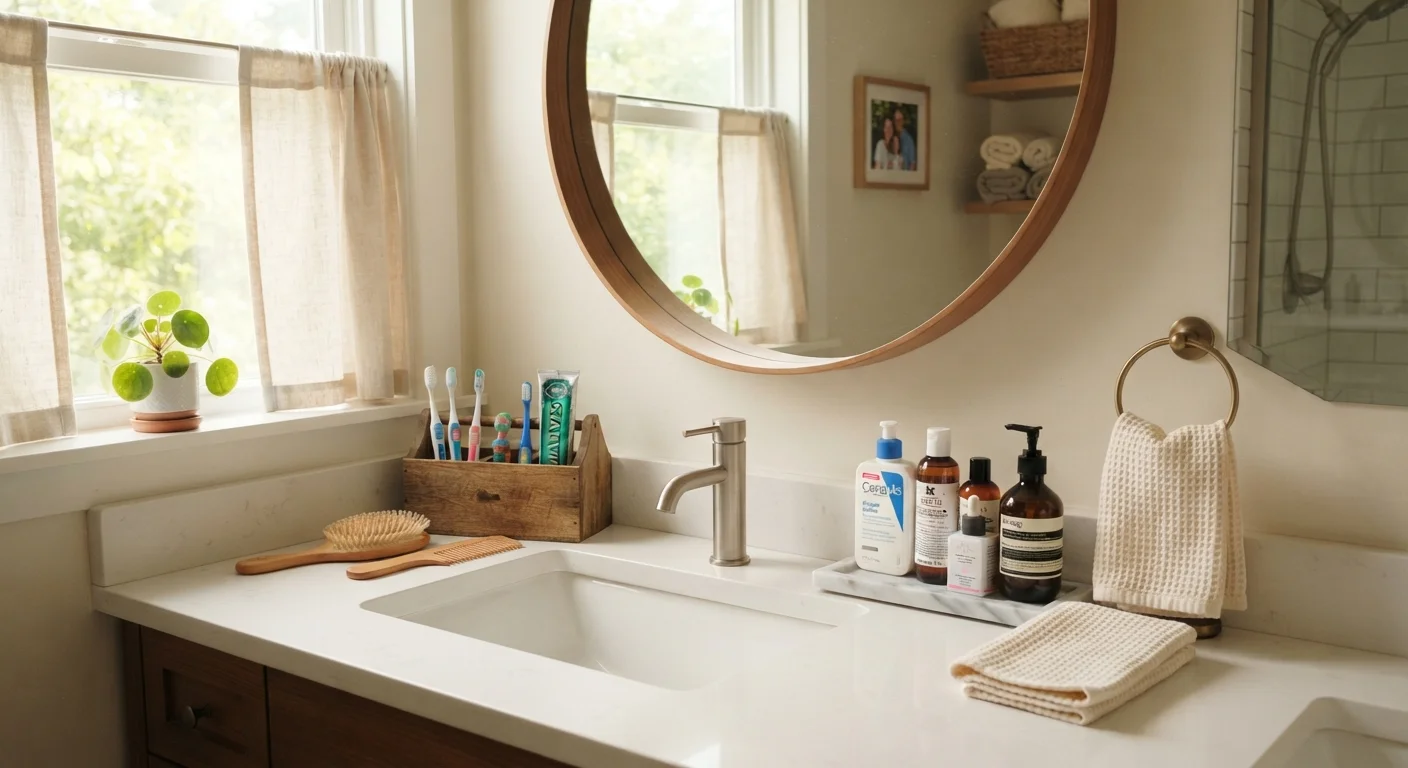
Before running through the checklist, take five minutes to confirm your grooming station is stocked. Missing supplies mid-routine is one of the most common reasons families abandon the habit.
Soft-bristle toothbrushes
Essential for effective, non-abrasive daily brushing for every family member.
Nail scissors and clippers
Used for trimming fingernails and toenails safely for adults and children.
Wide-tooth comb and detangling brush
Needed for detangling hair of varying textures, especially for children with longer hair.
Pet slicker brush or grooming comb
Used to brush your pet's coat weekly to prevent matting and reduce shedding.
Rubbing alcohol (70% isopropyl)
Used to sterilize nail tools and grooming scissors between uses.
Gentle facial cleanser
Supports weekly skin-check routine and helps maintain clear, healthy skin for teens and adults.
Makeup brush cleaning solution
Used to sanitize makeup brushes and sponges to prevent skin irritation and breakouts.
The Complete Weekly Checklist
Work through the groups below in whatever order fits your household's schedule. Some families tackle everything on Sunday evening; others spread tasks across two or three days. Either approach works - what matters is consistency.
If you have children, adapt tasks to their developmental stage. Our age-by-age children's grooming guide outlines which tasks kids can reasonably handle independently at each stage. For pets, this checklist covers the basics; a deeper framework is available in The Weekly Pet Grooming Routine That Actually Sticks.
Oral Care
Skin & Face
Hair Care
Nail Care
Pet Grooming
Grooming Station Maintenance
Children's Grooming Requires Adult Supervision
Young children should not use sharp grooming tools independently. Nail scissors, electric trimmers, and adult-strength grooming products should remain out of reach. Gradually introduce tools as children develop the motor control and judgment to use them safely - typically guided by age milestones rather than a fixed timeline. If you're unsure what's appropriate for your child's age, a pediatrician can provide personalized guidance.
Making the Routine Stick Long-Term
A checklist is only useful if it gets used. A few practical tactics help households maintain the habit without it feeling like a chore.
- Anchor it to an existing routine. Grooming checks done immediately after another fixed weekly event - Sunday dinner, laundry day - are far more likely to happen consistently.
- Assign age-appropriate ownership. Children as young as six can take responsibility for select tasks with adult supervision. This builds independence and lightens the household load. Our guide to building family grooming habits walks through how to delegate effectively by age.
- Review the checklist monthly. Seasonal changes affect grooming needs - skin hydration in winter, sun protection in summer - and children's needs shift as they grow.
- Keep supplies visible and accessible. Grooming items stored out of sight tend to go unused. A simple caddy or drawer organizer on the bathroom counter reduces friction considerably.
For households considering occasional at-home haircuts to reduce salon visits, see what families should know before cutting hair at home before getting started.