

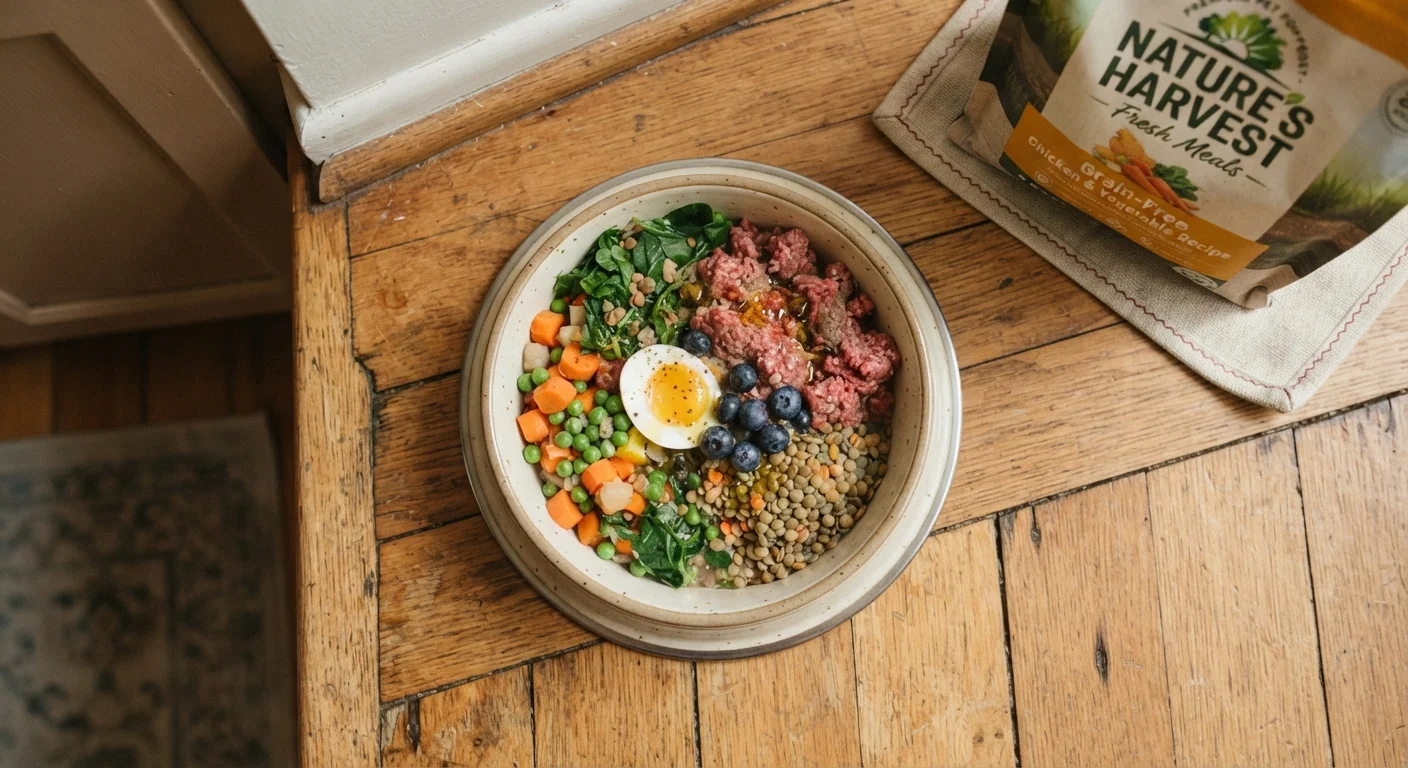
Key Takeaways
- Grain-free does not automatically mean higher quality or more nutritious for most pets.
- The FDA investigated a potential link between grain-free diets and dilated cardiomyopathy (DCM) in dogs - the investigation is ongoing and causation has not been established.
- True grain allergies in pets are uncommon; protein sources are more frequent allergy triggers.
- Grain-free foods are often priced higher, without guaranteed nutritional benefit for the average pet.
- Always consult a veterinarian before making significant changes to your pet's diet.
Grain-Free Pet Diet
A grain-free pet food is formulated without common cereal grains such as wheat, corn, rice, barley, or oats. Instead, these foods typically use alternative carbohydrate sources like peas, lentils, chickpeas, or potatoes to bind kibble and provide energy. Grain-free options are marketed to pet owners concerned about grain allergies or seeking a diet closer to an animal's ancestral eating pattern.
True grain allergies in pets are relatively uncommon; most documented food sensitivities in dogs involve animal proteins rather than grains. The grain-free label describes ingredient composition only, not overall nutritional quality or digestibility.
How Grain-Free Diets Became a Pet Food Trend
The grain-free pet food market grew rapidly through the 2010s, riding a broader wave of human dietary trends - paleo eating, gluten avoidance, and ancestral diets - that consumers began extending to their animals. Marketing positioned these foods as more "natural" and protein-rich, appealing to owners who wanted what seemed like a closer match to what dogs and cats might eat in the wild.
For a segment of pet owners, the interest was genuine: some had pets with documented food sensitivities and were looking for alternatives. For others, grain-free simply felt like a premium, caring choice. The result was a significant market shift, with grain-free products commanding large shelf space and premium price points.
Understanding the trend requires separating the marketing message from the nutritional science - something that a closer look at popular pet nutrition myths makes clear is easier said than done.
The FDA Investigation and the DCM Question
In July 2018, the U.S. Food and Drug Administration (FDA) announced it was investigating reports of dilated cardiomyopathy (DCM) - a serious heart condition - in dogs eating grain-free diets. The reports were notable because DCM was appearing in breeds not genetically predisposed to it, such as Golden Retrievers, Labrador Retrievers, and Miniature Schnauzers.
Veterinary cardiologists and researchers observed that many affected dogs had been eating diets with high concentrations of peas, lentils, legume seeds, or potatoes as primary ingredients - common grain substitutes in these formulas. One hypothesis focused on whether these ingredients might affect the metabolism of taurine, an amino acid essential for heart function in dogs.
524+
DCM cases reported to FDA (2014-2019)
The FDA reported receiving over 524 reports of DCM in dogs between January 2014 and April 2019, prompting its ongoing dietary investigation.
~1-2%
Dogs with true food allergies
Veterinary dermatology literature estimates that true food allergies affect a relatively small percentage of the overall dog population, with proteins - not grains - as the most common trigger.
Importantly, the FDA has not established a definitive causal link between grain-free diets and DCM. The investigation highlighted the complexity of nutritional science: diet formulation, ingredient sourcing, processing methods, and individual animal genetics may all play roles. As of the FDA's most recent published updates, the investigation remains active and inconclusive.
This does not mean the concern should be dismissed - it means the science is still being worked out, and caution is reasonable while research continues.
What Grain-Free Actually Means Nutritionally
Removing grains from a pet food formula does not automatically make it more nutritious. Grains like rice, oats, and barley serve legitimate functions in pet food: they provide digestible carbohydrates for energy, dietary fiber, and certain B vitamins. Whole grains in particular carry nutritional value that goes beyond mere filler - a distinction worth understanding, similar to what applies in human diets when considering whole grains versus refined grains.
When grains are removed, something must replace them - and in most grain-free kibbles, that replacement is legumes or starchy vegetables. These substitutes are not nutritionally neutral. Their long-term effects on dogs, particularly with high-volume inclusion, are part of what researchers are still evaluating.
Look for the AAFCO Statement First
Before evaluating whether a food is grain-free or grain-inclusive, find the AAFCO nutritional adequacy statement on the packaging. This tells you whether the food meets established minimum standards for your pet's life stage. A food without this statement - regardless of its grain content - may not be nutritionally complete.
The more useful nutritional question to ask is not "does this food contain grains?" but rather "does this food meet established nutritional standards for my pet's life stage?" Look for an AAFCO (Association of American Feed Control Officials) nutritional adequacy statement on the label - this indicates the food has been formulated or tested to meet minimum standards. For help reading those labels, see our guide on reading pet food labels without getting lost in the fine print.
Making an Informed Decision for Your Pet
For most healthy dogs and cats, grain-inclusive diets that meet AAFCO standards are nutritionally sound and often more affordable. If your pet has a documented health condition, a confirmed food sensitivity, or other specific dietary needs, your veterinarian is the right resource - not marketing copy or online forums.
Before switching to or away from a grain-free diet, consider these practical steps:
- Talk to your vet. Share what you're feeding your pet and ask whether any change is warranted based on their health history.
- Check the AAFCO statement. Look for language indicating the food is complete and balanced for your pet's life stage - this matters more than whether grains are present.
- Look at the full ingredient picture. A grain-free food with legumes as the first three ingredients and a low-quality protein source may be less nutritious than a grain-inclusive food with a named meat as the primary ingredient. Our article on decoding your pet's food label walks through what these ingredient positions actually mean.
- Consider cost versus benefit honestly. Grain-free diets are typically more expensive. If there is no specific medical reason for the switch, that added cost may not deliver added nutritional value.
This article is for general informational purposes only and is not veterinary or medical advice. Always consult a licensed veterinarian before making significant changes to your pet's diet, especially if your pet has existing health conditions.