

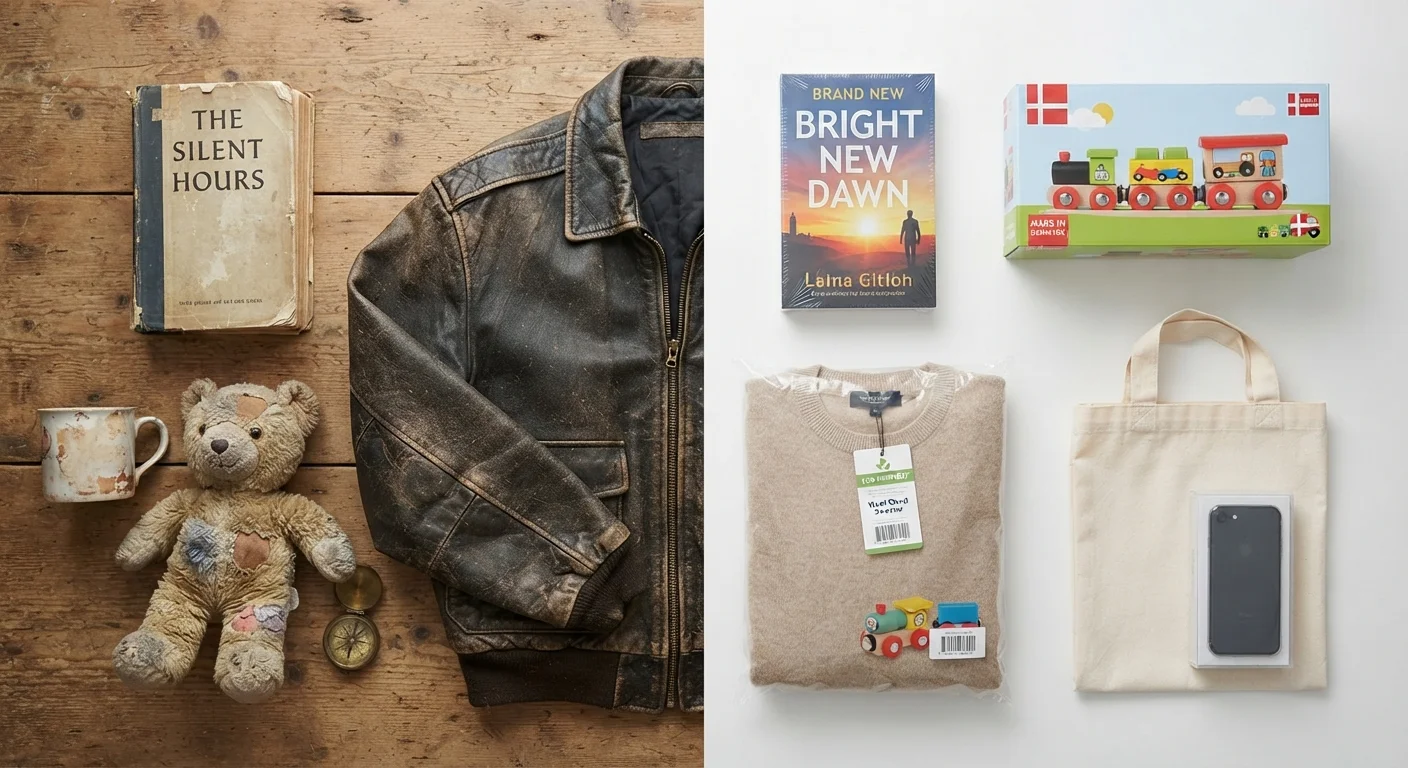
Key Takeaways
- Secondhand purchases can deliver strong value in clothing, furniture, and books but carry higher risk in safety-critical or hygiene-sensitive categories.
- New purchases make the most sense when warranties, safety certifications, or hygiene standards directly affect your family's wellbeing.
- The smartest approach is category-by-category thinking, not a blanket rule for all purchases.
- Hidden costs - repairs, missing parts, compatibility gaps - can quietly erode secondhand savings.
- Inspect thoroughly, research recall histories, and factor in total cost of ownership before deciding.
Our Verdict
Neither secondhand nor new is universally the smarter choice - the right answer depends on the product category, its safety profile, and how long you expect to use it. Families who apply category-specific thinking, rather than defaulting to one approach, tend to stretch their budgets further without sacrificing quality or safety.
| Best for | Recommended |
|---|---|
| Households looking to reduce spending on fast-changing or short-use items | Secondhand |
| Purchases where safety certifications, hygiene, or long-term reliability matter most | New |
| Buyers with time to inspect, research, and verify condition carefully | Secondhand |
| Families needing warranty protection or manufacturer support | New |
Why One Rule Doesn't Fit Every Purchase
The reflex to always buy new - or always buy used - costs families money in different ways. Defaulting to new inflates budgets on items that depreciate instantly or get outgrown quickly. Defaulting to secondhand creates real risk in categories where condition is hard to verify and the stakes are high. The productive question isn't "new or used?" but "which approach makes sense for this specific category?"
Before applying any framework, it helps to ask a few structured questions about total cost, expected lifespan, and what you'd actually lose if the item fails early. That thinking translates directly into category decisions.
| Category | Secondhand | New | |
|---|---|---|---|
| Children's clothing | Strong value; outgrown before worn out | Rarely necessary given short use window | |
| Car seats & helmets | High risk; avoid due to safety concerns | Recommended; verified safety certification | |
| Furniture | Good value if inspected carefully | Worthwhile for ergonomic or specialty pieces | |
| Books & media | Clear value; content is unchanged | Only if condition or edition matters | |
| Major appliances | Possible savings; check repair history | Warranty and efficiency benefits add value | |
| Consumer electronics | Risk of battery wear, missing support | Warranty and support window intact | |
| Mattresses | Generally not recommended; hygiene risk | Standard choice for health and hygiene |
Categories Where Secondhand Typically Makes Sense
Clothing - especially children's. Kids outgrow clothes faster than they wear them out. Pre-owned children's clothing is one of the clearest value opportunities in family spending, provided you inspect seams, zippers, and fabric condition. Getting hand-me-downs to work well is largely a matter of knowing what to check before accepting or buying. For adults, secondhand works well for durable basics, outerwear, and occasion wear used infrequently.
Books and media. Condition is visible, content is identical, and resale markets are mature. Used books, DVDs, and board games represent straightforward savings with minimal downside.
Furniture. Solid wood and metal furniture often outlasts newer flat-pack alternatives. Inspect joints, check for pest damage, and verify that upholstered items can be cleaned or reupholstered affordably. The cost-over-time calculation often favors a sturdy used piece over a cheaper new one.
Sports and hobby equipment. Gear for activities families might try once - or that children will use briefly - is well-suited to secondhand purchasing. Lightly used sporting goods are common in resale markets.
Check Recall Histories Before You Buy Used
The U.S. Consumer Product Safety Commission (CPSC) maintains a free, searchable recall database at cpsc.gov. Before purchasing any used item for children - toys, gear, furniture, or clothing with drawstrings - run a quick model search. It takes under two minutes and can catch genuine safety issues that aren't visible on inspection.
Categories Where New Usually Justifies the Cost
Car seats and infant safety gear. This is the clearest case for buying new. Car seats have expiration dates, can sustain invisible structural damage in collisions, and may lack recall history transparency when purchased secondhand. The safety certification you get with a new, uncompromised seat is not recoverable from a used one of unknown history.
Mattresses and bedding. Hygiene concerns, allergen accumulation, and the difficulty of assessing internal wear make mattresses a poor secondhand category for most families, particularly for young children.
Helmets. Like car seats, helmets can appear intact after an impact while being structurally compromised. A new helmet with a current safety rating is the reliable baseline.
Electronics with complex compatibility needs. Used electronics can deliver value - but battery degradation, missing accessories, and software support windows create real hidden costs. For critical household electronics, the warranty and support structure of a new purchase often makes financial sense over the full ownership period. The channel you buy through also affects your ability to inspect, return, and get support.
Hidden Costs Can Erase Secondhand Savings
A used appliance or electronic device priced well below retail can still end up costing more if it requires repairs, lacks compatible accessories, or fails early. Before finalizing any secondhand purchase, estimate what a realistic repair or replacement scenario would cost and factor that into your comparison with new pricing. This is especially true for items without any remaining warranty coverage.
The Middle Ground: Categories That Require Case-by-Case Judgment
Some categories don't fall cleanly into either camp. Appliances can offer real savings when bought used - but repair costs, energy efficiency, and missing warranties shift the math depending on age and condition. Always verify the model's repair history and parts availability before committing.
Toys and baby gear (excluding car seats) occupy a middle ground. Check product recall databases - the U.S. Consumer Product Safety Commission maintains a public recall database - before purchasing used items for young children. Items with small parts, drawstring cords, or older manufacturing standards may not meet current safety requirements.
For clothing specifically, the secondhand-versus-new question has enough nuance to warrant its own consideration. The clothing-specific trade-offs for families cover fit, durability, and when new makes more sense even on a tight budget.
The habits that underpin savvy deal-finding apply in every category: assess total cost of ownership, not just sticker price, and factor in the realistic probability that the item will need repair or replacement sooner than expected.