

Key Takeaways
- Online and in-store shopping each have distinct structural advantages - neither is universally superior.
- Channel choice affects price, convenience, return ease, and product discovery in different ways.
- A hybrid approach - using each channel where it genuinely excels - typically serves families better than committing to one.
- Understanding how pricing and fulfillment work in each channel helps you spot actual value versus perceived convenience.
- Some product categories are reliably better suited to one channel; learning these patterns saves time and reduces regret.
Start here
What Is a Shopping Channel?
Next
How Online Shopping Works
Then
How In-Store Shopping Works
Dig deeper
Key Trade-Offs Every Family Should Know
Apply it
Building a Channel Strategy That Works for Your Household
What Is a Shopping Channel?
A shopping channel is simply the method or environment through which a purchase is made. The two primary channels most families use are online (e-commerce websites, apps, and delivery services) and in-store (physical retail locations). A third option - often called omnichannel - blends both, allowing actions like buying online and picking up in-store.
Understanding which channel you're using - and why - matters more than most shoppers realize. Each channel has a different pricing model, fulfillment structure, and return process. Treating them as interchangeable leads to unnecessary friction, whether that's paying unexpected shipping fees or discovering a product looks nothing like its listing photo.
Shopping channel
The method or environment through which a purchase is made - primarily online (e-commerce) or in-store (physical retail).
Omnichannel
A retail model where a single retailer operates both online and physical storefronts, often allowing actions like buy-online-pick-up-in-store (BOPIS).
Dynamic pricing
A pricing model where product prices change automatically based on factors like demand, inventory, and competitor pricing - common in online retail.
Marketplace seller
A third-party vendor selling products through a larger platform (like an e-commerce marketplace), with their own pricing, shipping, and return policies separate from the platform's own inventory.
Fulfillment
The process of storing, packing, and shipping a product to the customer after an order is placed - a key variable affecting delivery speed and cost.
Unit price
The cost per standard unit of measurement (e.g., per ounce, per item) used to compare value across different package sizes or quantities.
This guide is a starting point for families who want to approach channel choice with intention rather than habit. For a deeper look at how pricing, convenience, and returns play out end-to-end, see The Full Picture on Online and In-Store Shopping for Families.
How Online Shopping Works
When you shop online, you're interacting with a digital storefront - a database of product listings connected to a fulfillment system. You browse, add to cart, pay, and wait for delivery (or schedule a pickup). Behind the scenes, inventory may sit in a warehouse hundreds of miles away, or it may be fulfilled by a third-party seller on a marketplace platform.
Key structural features of online shopping include:
- Dynamic pricing: Prices can change frequently based on demand, competitor pricing, and algorithms. The price you see today may differ tomorrow.
- Marketplace vs. direct retailer: Large platforms often mix direct inventory with third-party sellers. The same product listing can have multiple sellers at different prices with different shipping timelines and return policies.
- Delivery costs and timelines: Free shipping thresholds, membership fees, and delivery windows vary widely. Factor these in when comparing total cost.
- Returns: Policies differ significantly. Some retailers offer free prepaid returns; others charge a restocking or return-shipping fee.
Check Who You're Actually Buying From
On large marketplace platforms, the same product can be listed by both the platform itself and multiple third-party sellers. The seller name - usually displayed near the 'Add to Cart' button - determines whose return policy and customer service applies. Taking ten seconds to check this before purchasing can save significant hassle if something goes wrong.
How In-Store Shopping Works
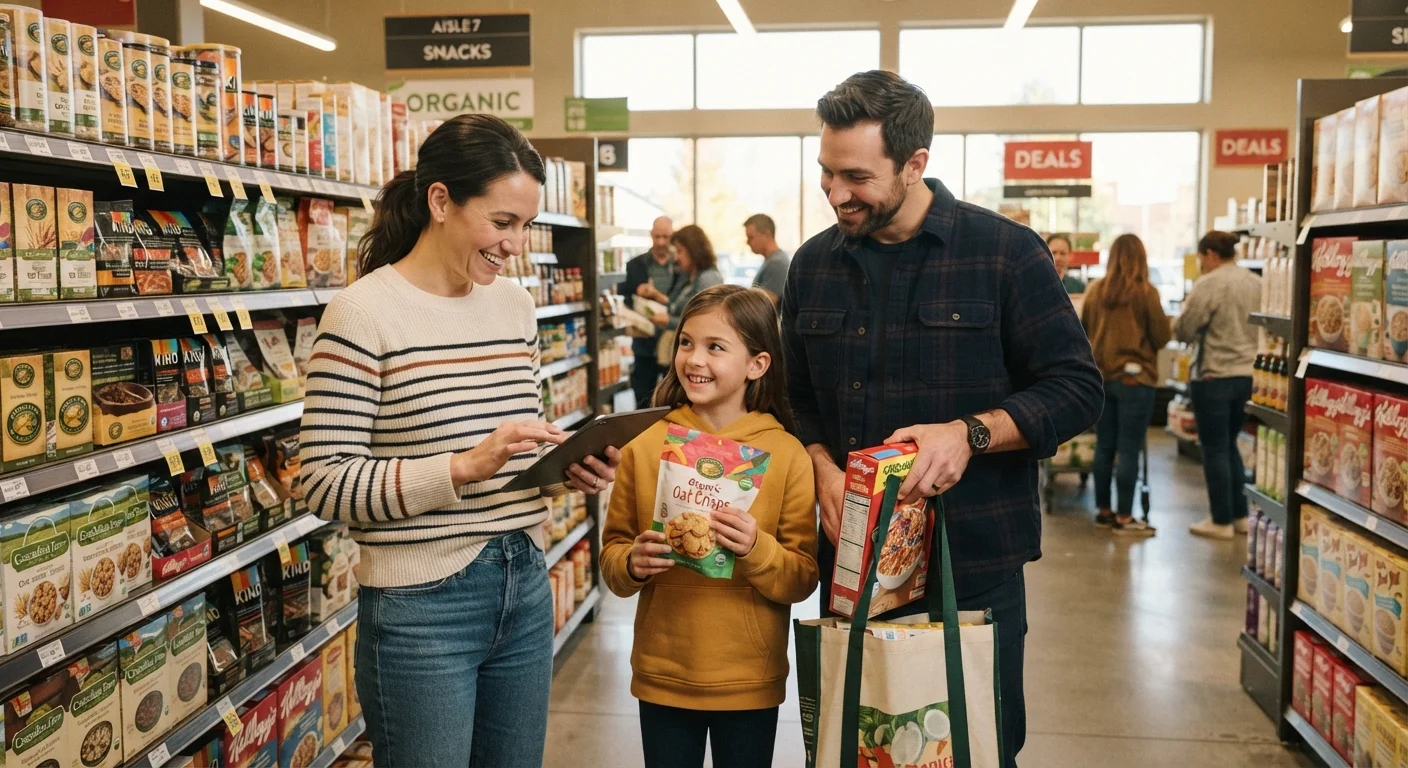
Physical retail operates on a fundamentally different logic. You visit a store, view actual products, and take them home the same day. The experience is tactile - you can assess size, texture, weight, and quality before committing. For categories where fit, appearance, or feel matters (clothing, furniture, fresh food), this is a meaningful advantage.
In-store shopping also has structural quirks worth understanding:
- Floor pricing vs. shelf clearance: Not all in-store prices match online prices, even at the same retailer. Clearance sections are often store-specific.
- Stock availability: What's shown on a retailer's website may not be in stock locally. Calling ahead or checking in-store inventory tools avoids wasted trips.
- Returns: In-store returns are typically immediate and free - no packaging, no labels, no waiting for a refund to process.
- Impulse layout: Store layouts are deliberately designed to encourage unplanned purchases. Entering with a list and a clear budget helps counteract this.
For a practical framework on splitting purchases between channels by category, see A Practical Approach to Splitting Your Shopping Between Channels.
Key Trade-Offs Every Family Should Know
Neither channel dominates across all situations. Here's how the core trade-offs typically stack up:
| Factor | Online | In-Store |
|---|---|---|
| Price comparison | Easy - multiple tabs open | Harder without research |
| Convenience | High for non-urgent items | High for same-day needs |
| Product inspection | Limited to photos/reviews | Direct, hands-on |
| Returns | Variable; often slower | Generally fast and free |
| Impulse spending risk | High (one-click purchasing) | High (store layout design) |
| Delivery cost | Often present | None |
Certain product categories shift this balance significantly. Electronics, for example, often carry identical pricing across channels but differ in return window flexibility. Clothing has a high return rate online due to fit uncertainty. Nine Categories Where Channel Choice Makes a Measurable Difference breaks this down category by category.
One-Click Convenience Has a Cost
Streamlined checkout processes - saved payment details, instant purchasing - are designed to reduce friction and increase purchase frequency. Consumer research consistently shows that reducing purchase friction increases impulse buying. Building in a brief pause before completing non-routine online purchases is a simple countermeasure many households find genuinely useful.
Building a Channel Strategy That Works for Your Household
A practical channel strategy doesn't require rigid rules - it requires honest assessment of your household's priorities. Start by asking three questions before any significant purchase:
- Does this item need to be inspected before buying? If yes, in-store is the lower-risk starting point.
- Is time or cost the bigger constraint right now? Online wins on variety and comparison speed; in-store wins on immediacy.
- What's the return situation if this doesn't work out? If the return process would be painful online, that changes the calculus.
Building foundational shopping habits - like reading unit prices, understanding return windows, and budgeting by category - is explored in depth in Smart Shopping for Families: A Practical Starting Point. You can also browse broader savvy deal-finding strategies to complement this channel approach.
The goal isn't to pick a winner between online and in-store - it's to recognize that each channel has structural strengths, and families who use both deliberately tend to get better outcomes than those who default to one out of habit.
Channel-by-Category Shopping Guide
A structured look at which product categories tend to perform better online versus in-store, covering toys, furniture, fresh food, and more. Useful for families building a regular shopping routine.
Household Budget Tracker Template
A simple template for tracking monthly spending by category and channel, helping households identify where money is going and whether channel habits are actually saving time or money.
Return Policy Comparison Worksheet
A side-by-side worksheet for recording and comparing return windows, restocking fees, and return shipping policies before committing to a significant purchase across different retailers.