

| Electronics low-price windows | Late winter (Feb), late summer (Aug-Sep), post-holiday (Jan) (General U.S. retail industry pattern) |
| Apparel clearance cycles | Winter: Jan-Feb | Summer: Jul-Aug (Standard two-season retail inventory rotation) |
| Furniture promotion windows | Memorial Day, Labor Day, Presidents' Day weekends (Observed U.S. furniture retail industry pattern) |
| Appliance new-model shipping | Typically Sept-Nov (Major appliance industry convention) |
| Outdoor/garden off-season low | Late Aug-Oct for most categories (General U.S. seasonal retail pattern) |
| Outerwear seasonal floor | February-March (Post-winter inventory clearance cycle) |
Why Retail Prices Follow Predictable Patterns
Retailers don't set prices randomly. Inventory cycles, model-year transitions, holiday demand, and seasonal inventory clearance all create recurring windows when prices on specific categories genuinely decline. These patterns are structural - driven by supply-chain logistics and competition - rather than marketing theater.
That said, not every "sale" reflects a real drop from the item's typical selling price. Inflated pre-sale reference prices are a documented retail tactic, so understanding the difference between a cyclical price floor and a manufactured discount matters. Retail pricing tricks like phantom markups can make timing harder to read without a price history tool.
The goal here is a category-by-category reference to historically observed pricing windows - not a guarantee of savings, since individual prices vary by retailer, region, and year.
| Electronics low-price windows | Late winter (Feb), late summer (Aug-Sep), post-holiday (Jan) (General U.S. retail industry pattern) |
| Apparel clearance cycles | Winter: Jan-Feb | Summer: Jul-Aug (Standard two-season retail inventory rotation) |
| Furniture promotion windows | Memorial Day, Labor Day, Presidents' Day weekends (Observed U.S. furniture retail industry pattern) |
| Appliance new-model shipping | Typically Sept-Nov (Major appliance industry convention) |
| Outdoor/garden off-season low | Late Aug-Oct for most categories (General U.S. seasonal retail pattern) |
| Outerwear seasonal floor | February-March (Post-winter inventory clearance cycle) |
Category-by-Category Seasonal Price Windows
Electronics
Consumer electronics - televisions in particular - tend to see meaningful price reductions in the weeks surrounding major U.S. sporting events in late winter, and again during November's promotional period. New model introductions in spring and fall push prior-generation inventory lower. Laptops frequently dip in late summer as back-to-school promotions peak, and again after the holiday quarter when demand cools.
Clothing and Apparel
Apparel follows a two-season clearance rhythm. Winter clothing tends to be discounted from late January through February as retailers clear inventory for spring lines. Summer apparel pricing typically softens in July and August. Outerwear specifically - coats, jackets, boots - reaches seasonal lows in February and March, when demand has largely passed. End-of-season clearance works differently online versus in-store, so the channel you choose affects what you actually find at lower prices.
Home Goods and Furniture
Furniture retailers historically run promotions around long weekends - particularly Memorial Day, Labor Day, and Presidents' Day. These are genuine industry patterns tied to foot-traffic cycles, not arbitrary calendar choices. Mattresses follow a similar pattern. Bedding and linens often dip in January, a period sometimes called the "White Sale" season in U.S. retail history.
Appliances
Major appliances (refrigerators, dishwashers, ranges) tend to be discounted when new models ship to showrooms - typically September through November - as floor models and prior-year inventory are cleared. Holiday weekends also drive competition-driven pricing in this category.
Outdoor and Garden
Lawn equipment, patio furniture, and garden supplies drop sharply at the end of the relevant season. Late August through September for grills and outdoor furniture; late October for lawn mowers and related tools. Buying off-season requires storage but can represent the deepest cyclical discounts in any category.
Seasonal clearance
Discounting of inventory at the end of its primary selling season to make room for incoming merchandise. Markdowns are often genuine but limited to remaining stock.
Model-year transition
The period when a manufacturer releases a new product version, prompting retailers to reduce prices on the outgoing model to clear inventory.
Price floor
The lowest price a product realistically reaches during its typical annual cycle, based on historical selling data rather than advertised reference prices.
Reference price
A higher price displayed alongside a sale price to suggest savings. Regulators in several U.S. states require that reference prices reflect actual prior selling prices, though enforcement varies.
Off-season buying
Purchasing a product after its peak demand period has passed, when inventory pressure prompts deeper discounting. Requires flexibility on timing and storage.
Using These Patterns Without Getting Burned
Knowing a category's typical low-price window only helps if you avoid common traps. Impulse buying triggered by sale signage can push you to purchase during a promotion that doesn't actually reflect a category low. Price-tracking browser extensions and retailer-independent price history tools let you verify whether a promoted price is genuinely below the item's normal range.
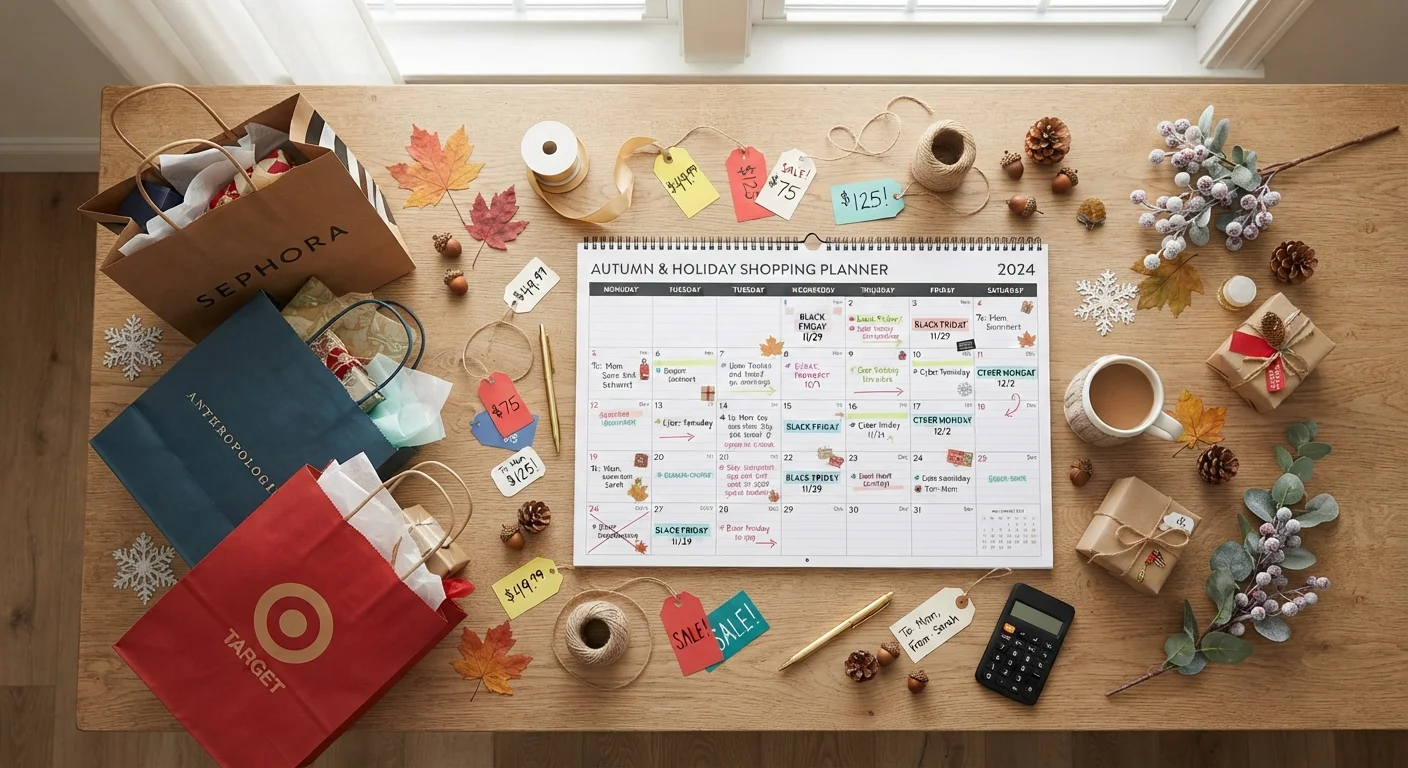
Planning ahead is the practical foundation. For non-urgent purchases, a simple household calendar noting the windows above gives you a reference point before you shop. Timing purchases around natural price cycles explores this planning approach in more depth, including how to prioritize across multiple categories simultaneously.
~30%
Typical end-of-season apparel markdown depth
Industry analysts generally observe end-of-season clearance markdowns averaging 25-40% below in-season pricing, though this varies widely by retailer and category.
2-3 months
Lead time needed to benefit from off-season pricing
Consumer behavior research suggests that households planning non-urgent purchases 8-12 weeks in advance are better positioned to act during category-specific low windows.
Finally, patience has limits. If a needed item falls outside its seasonal window, the carrying cost of waiting - or going without - may exceed any potential savings. These patterns are useful inputs, not rigid rules.
For a broader approach to stretching your household budget, the Budget-Smart Buying hub covers complementary strategies across multiple spending categories.