

Key Takeaways
- Reading and following care labels is the single most impactful clothing-care habit a family can adopt.
- Washing clothes less frequently and at lower temperatures preserves fabric fibers and reduces fading.
- Proper storage - folded versus hung, and away from humidity - prevents shape loss and mildew.
- Basic mending skills, like reattaching buttons and patching seams, can significantly extend garment life.
- Extending clothing lifespan reduces both household spending and unnecessary wardrobe turnover.
Why Clothing Care Is a Budget Decision
Most households replace clothing far more often than necessary - not because garments wear out, but because they weren't cared for properly in the first place. Faded colors, stretched necklines, pilling, and shrinkage are largely preventable outcomes. When clothing lasts longer, families spend less replacing it, which is why care habits belong in the same conversation as smart shopping strategy.
If your household is also thinking about broader purchasing patterns, the article on why families over-buy clothing offers useful context on how clothing spend tends to accumulate over time.
~40%
Clothing lifespan reduction from improper care
Textile care researchers and industry bodies generally estimate that incorrect washing and drying practices can reduce a garment's functional lifespan by roughly 30-50%, depending on fabric type.
9x
Wears before washing - jeans industry guidance
Denim manufacturers and textile care specialists commonly recommend washing jeans only after approximately 8-10 wears to preserve dye integrity and fabric structure.
Washing: The Habits That Protect Fabric
Most clothing damage happens in the wash - not from wear. A few consistent practices make a significant difference:
Always check and follow the care label before washing any garment
Care labels provide fabric-specific instructions that, when ignored, lead to shrinkage, color bleed, and fiber breakdown. Following them is the lowest-effort, highest-impact habit a household can develop. Manufacturers design these instructions to protect the garment's structure and appearance over repeated washes.
Wash clothes less frequently and only when actually soiled or odorous
Over-washing is one of the most common sources of premature fabric wear. Friction, agitation, water, and detergent all degrade fiber integrity over time. Many garments - particularly outer layers, jeans, and structured pieces - can be worn multiple times before laundering without any hygiene concern.
Use the correct wash temperature - cooler is almost always safer
High temperatures accelerate color fading, cause natural fibers to shrink, and degrade elastic in waistbands and cuffs. Most household laundry cleans effectively in a cool or warm cycle. Reserving hot washes for items that genuinely require sanitizing - like bedding or certain towels - protects the majority of the family wardrobe.
Turn dark and brightly colored garments inside out before washing
The outer surface of dyed fabrics takes the most friction during washing, which accelerates fading. Turning items inside out directs agitation toward the inner surface and away from the visible exterior, maintaining color depth much longer.
Use a mesh laundry bag for delicate items and anything with hardware
Delicate fabrics, lace, lingerie, and garments with zips or buttons can snag, stretch, or damage other items in the wash without containment. A mesh bag reduces abrasion and keeps garments from becoming entangled and misshapen during the cycle.
For families managing children's clothing specifically, these habits work hand-in-hand with sizing and seasonal strategies covered in our guide to dressing kids across seasons without buying new.
Drying, Storing, and Repairing: The Overlooked Half of Clothing Care
Washing gets most of the attention, but how clothing is dried and stored determines whether it holds its shape and structure over time. High dryer heat degrades elastic fibers and causes shrinkage in natural materials like cotton and wool. Air-drying - either flat for knits or on a hanger for woven fabrics - is gentler and extends garment life considerably.
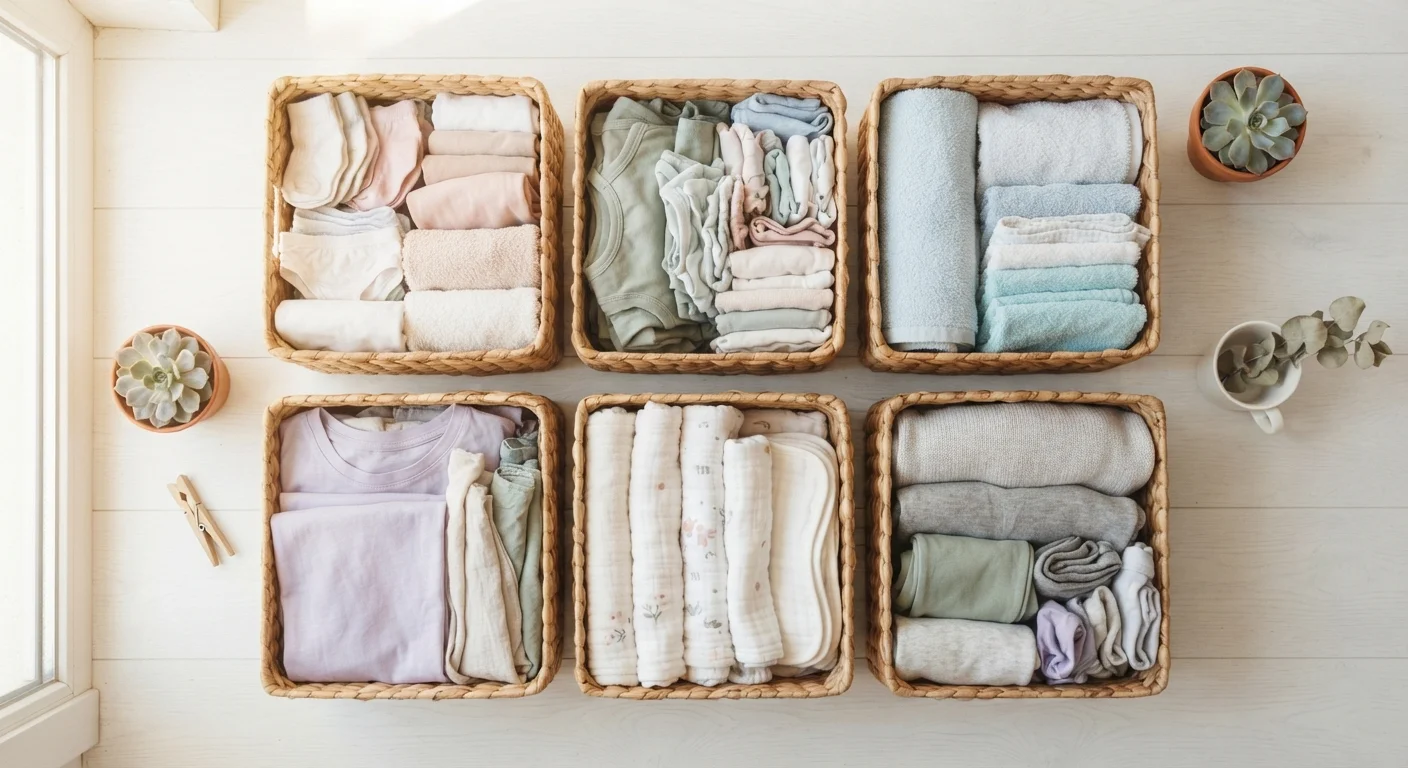
Storage matters too. Knitwear and heavier items should be folded rather than hung, as prolonged hanging stretches fabric under its own weight. Clothes stored in damp or poorly ventilated spaces are vulnerable to mildew and odor that can be difficult to reverse.
Finally, don't underestimate simple repairs. A loose button, a small seam split, or a minor snag addressed promptly costs almost nothing to fix. Left unattended, these become reasons to discard an otherwise wearable item.
These same principles - proactive maintenance over reactive replacement - apply across the household. The approach parallels what's discussed in our guide to keeping appliances running longer.
Building These Habits as a Household
Clothing care works best when it's a shared household norm rather than one person's responsibility. Sorting laundry correctly, hanging up clothes after wear, and flagging items that need mending are habits that can involve every family member. Children who learn to read care labels and fold their own clothes carry those habits forward.
Families thinking about structured approaches to children's wardrobing will find the school-year wardrobe guide a useful companion to these care practices - pairing smart purchases with proper maintenance is where the real value lies.
Make Care Labels a Family Habit
Spend a few minutes with children going through their own wardrobe and pointing out what the symbols on care labels mean. Even young children can learn the difference between 'machine wash' and 'hand wash only.' Building this awareness early creates a household culture where clothing is treated as worth looking after - not just replaced when it looks tired.
Better clothing care is also one of the more accessible ways to reduce household costs without changing your lifestyle. It connects naturally to broader budget-smart buying strategies that help families stretch their spending further across all categories.