

Key Takeaways
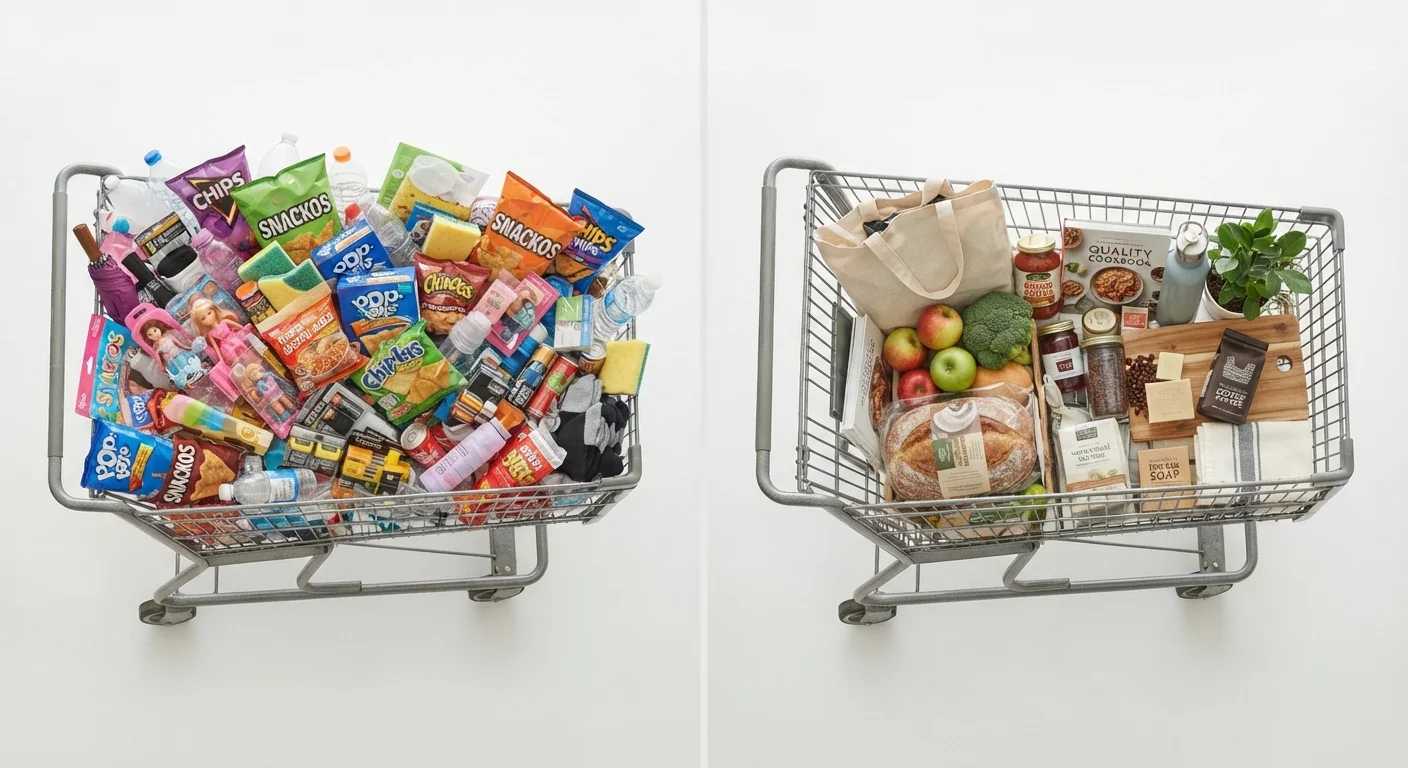
- The sticker price is only one part of what a purchase actually costs your family.
- Hidden fees, short product lifespans, and poor warranties can erase any upfront savings.
- Cost per use is a practical metric that reveals true value better than price alone.
- Comparing total cost of ownership before buying can prevent costly replacement cycles.
- Genuine savings come from evaluating quality, durability, and after-sales support together.
Total Cost of Ownership
Total cost of ownership (TCO) is the full amount a purchase costs you over its entire useful life - not just the sticker price at checkout. It includes ongoing expenses like maintenance, replacement parts, energy use, and hidden fees. When families compare TCO instead of upfront price alone, cheaper options often turn out to be more expensive in the long run.
In consumer contexts, TCO borrows from business accounting principles where capital expenditure is evaluated alongside operational expenditure - the same logic applies whether you're buying a refrigerator or a pair of work boots.
The Illusion of the Lowest Price
When a price tag is low, it triggers an immediate sense of savings. But that feeling can be misleading. The number you see at checkout rarely tells the full story of what a product will cost your household over time.
Cheap appliances that break within a year, budget shoes that wear out in months, and no-name electronics that lack driver support all share a common pattern: the low upfront cost is quickly overtaken by replacement or repair expenses. This is the gap between price and value - and it's one of the most consequential distinctions in family budgeting.
Understanding the difference between price and value is the foundation for making smarter decisions across every spending category, from groceries to electronics to insurance.
“The bitterness of poor quality remains long after the sweetness of a low price is forgotten.”
— Benjamin Franklin, Founding Father and author of 'Poor Richard's Almanack,' widely cited in consumer economics contexts
Hidden Costs That Inflate the Real Price
Beyond the sticker price, most purchases carry additional costs that only become visible after you've committed. Identifying these in advance is one of the most practical skills a value-focused shopper can develop.
- Consumables and accessories: A printer sold at a low price may require expensive proprietary ink cartridges. The hardware is bait; the margin is in the supplies.
- Energy and operating costs: An inexpensive appliance with a poor energy rating can cost significantly more to run annually than a pricier, efficient alternative.
- Warranty gaps: Budget products often carry minimal warranties. When something fails - and it's more likely to - you absorb the full replacement cost. See how warranty and after-sales terms shape your real cost of ownership.
- Shipping and platform fees: Online prices that appear lower may include handling surcharges or require membership to access. Free shipping offers especially deserve scrutiny before checkout.
Build a Simple TCO Checklist Before Buying
Before committing to any significant purchase, jot down five categories: upfront price, expected maintenance costs, energy or consumable costs, warranty coverage, and estimated lifespan. Adding these up takes less than five minutes and can prevent costly decisions that look like savings at the register but aren't. For routine household purchases, even a rough estimate is more reliable than price comparison alone.
A Practical Framework: Cost Per Use
One of the most effective tools for cutting through price confusion is cost per use: the item's total price divided by how many times you realistically expect to use it. A $120 jacket you wear twice a week for three years costs far less per use than a $40 jacket that falls apart in four months.
This metric works across categories - footwear, kitchen equipment, children's toys, and even subscription services. Cost per use is the quiet metric that reveals what a purchase is actually worth, and it consistently exposes when cheap is genuinely expensive.
60%
Consumers who regret a low-price purchase
According to a Consumer Reports survey, roughly 60% of respondents reported regretting a purchase made primarily because of a low price, citing poor quality or early product failure as the main reasons.
2-3×
Typical replacement multiplier for budget goods
Research into household goods purchasing patterns suggests that low-durability budget items are often replaced two to three times within the lifespan of a single mid-range alternative.
$1,200+
Average annual household spend on replacements
Industry estimates from home goods and electronics research suggest US families spend over $1,200 per year replacing items that failed earlier than expected - much of it driven by initial low-price decisions.
Similarly, bulk purchasing deserves the same scrutiny. Buying in bulk can be a genuine saving or a false economy depending on whether you'll actually use what you buy before it expires or goes to waste.
How to Evaluate Any Purchase on Value, Not Just Price
A straightforward process can help families consistently identify genuine value before committing to a purchase:
- Identify the total cost of ownership: Add up the purchase price, expected maintenance, consumables, energy costs, and likely replacement timeline.
- Check the warranty and return policy: A strong return window and warranty meaningfully reduce your financial risk if the product underperforms.
- Compare across channels honestly: Online isn't always cheaper once platform fees, shipping, and limited return options are factored in.
- Calculate cost per use: For items with clear usage patterns, this single number cuts through most price confusion quickly.
- Look for patterns in product durability: Consumer reviews focused on longevity - not just initial impressions - are among the most reliable quality signals available.
The budget-smart buying framework is built on exactly this kind of deliberate evaluation. And for a closer look at when cheaper consistently backfires, why buying cheaper costs more over time breaks down the maths behind common replacement cycles.